


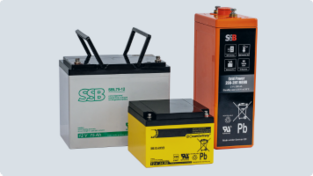

AGM batteries (Absorbent Glass Mat)
Discover our wide range of high-quality lead-acid batteries (AGM batteries) from our own brands Sun Battery and SSB Battery, as well as leading manufacturers such as Exide, Hawker and Yuasa. These sealed, valve-regulated batteries with built-in glass fibre mat are leak-proof in any position and available from 2 V to 12 V and 0.8 Ah to 200 Ah – ideal for UPS systems, security technology and many other applications, some of which even have VdS approval.
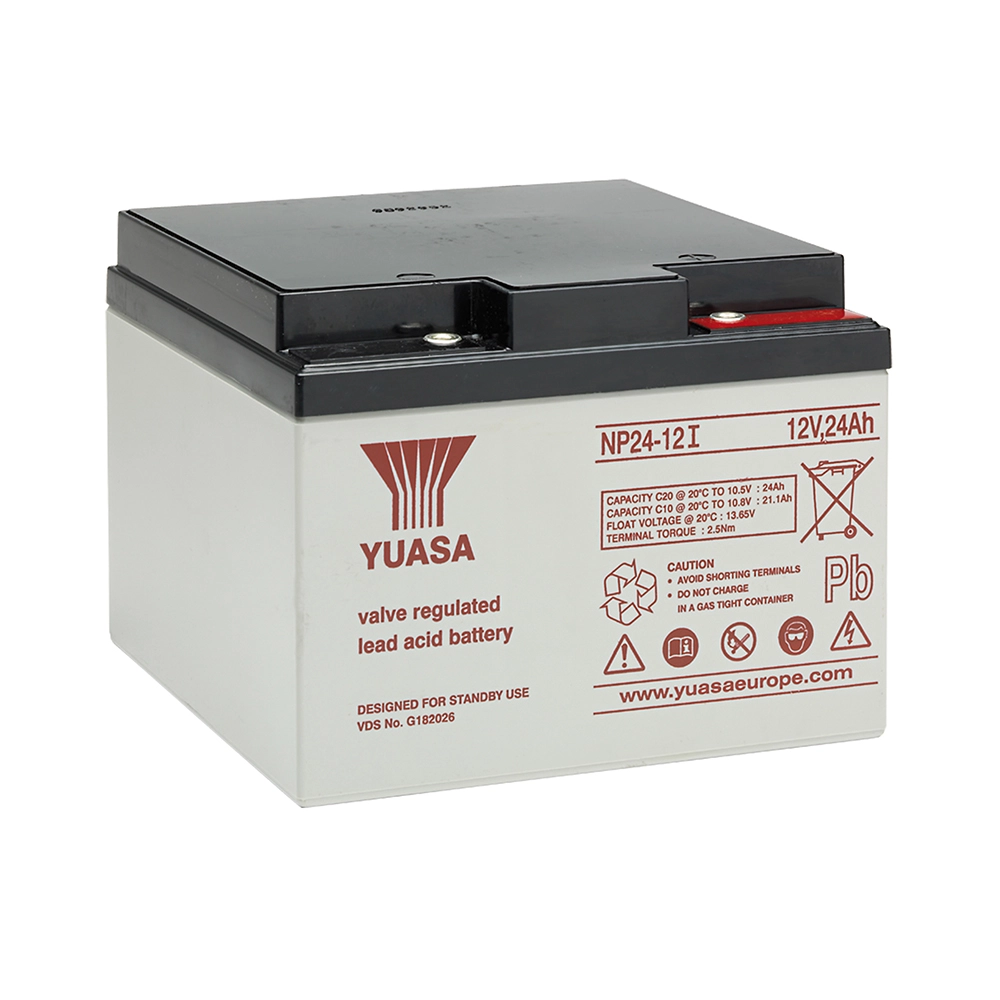
delivery time 2-5 working days
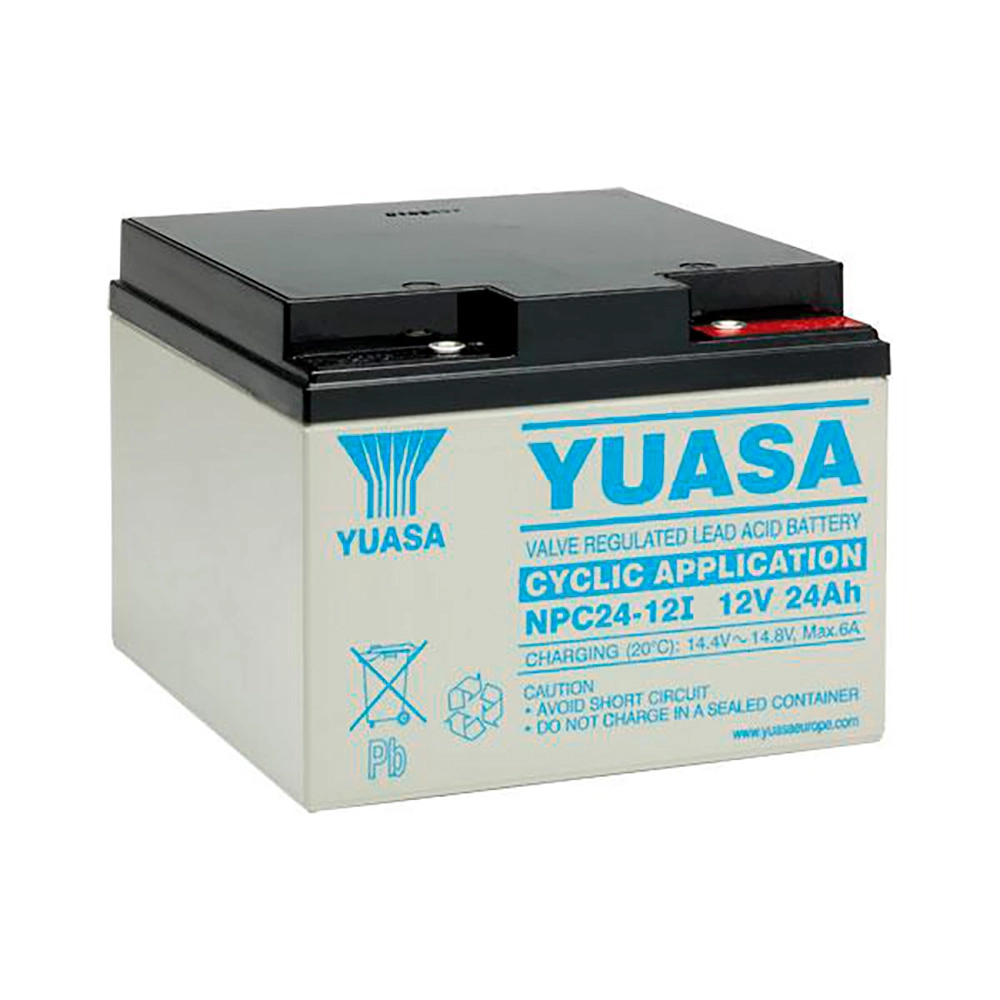
delivery time on request
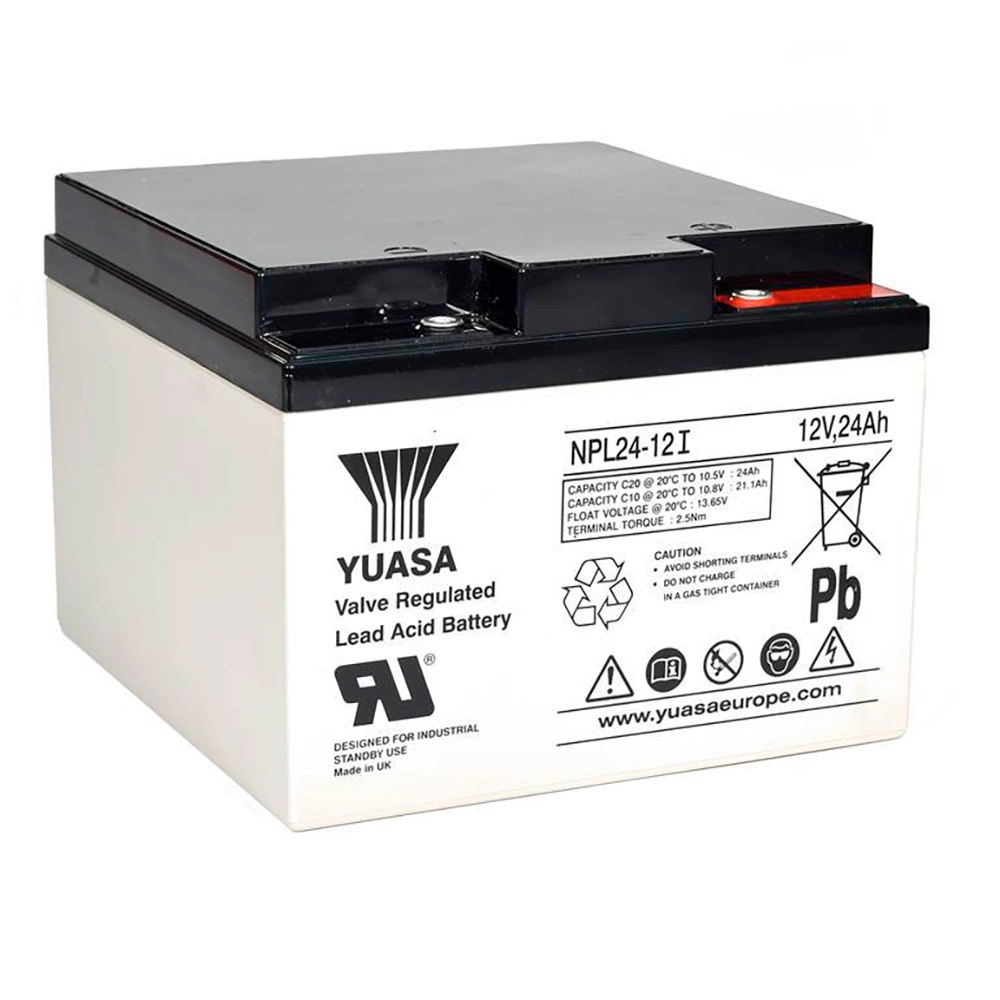
delivery time on request
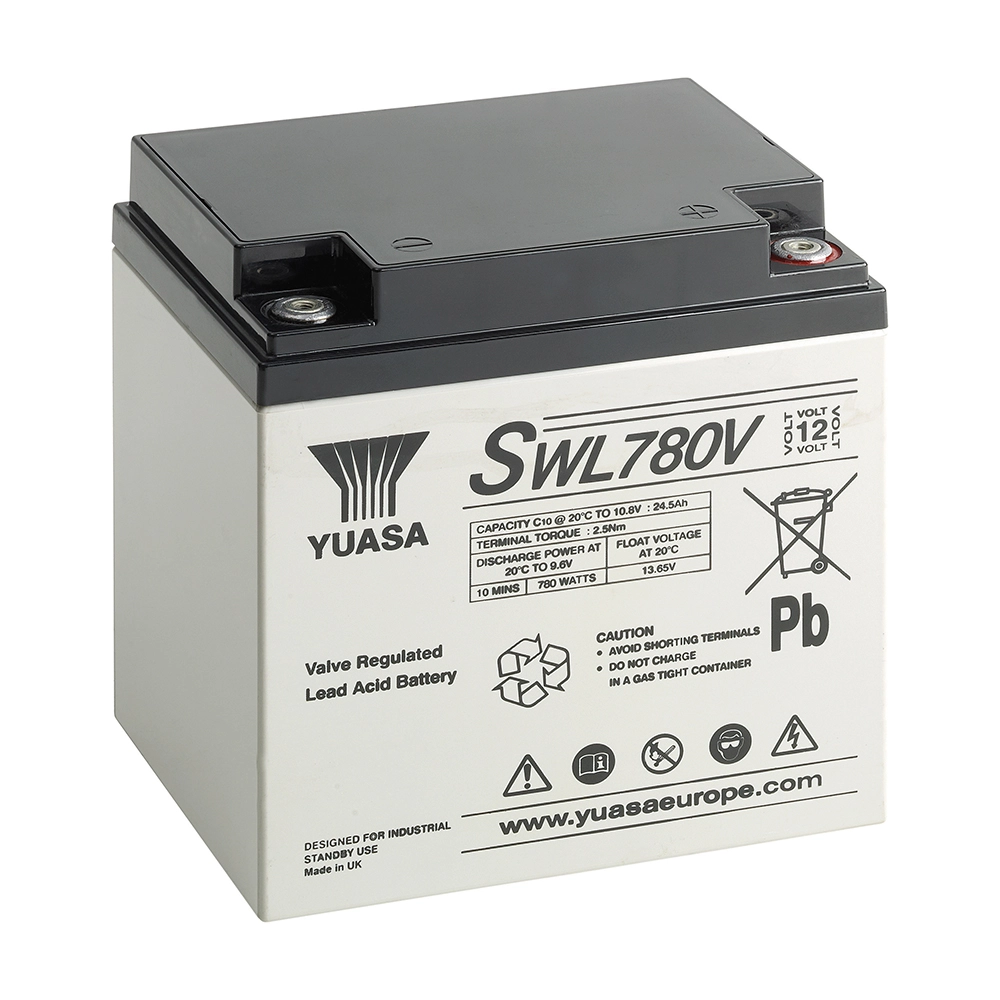
delivery time on request
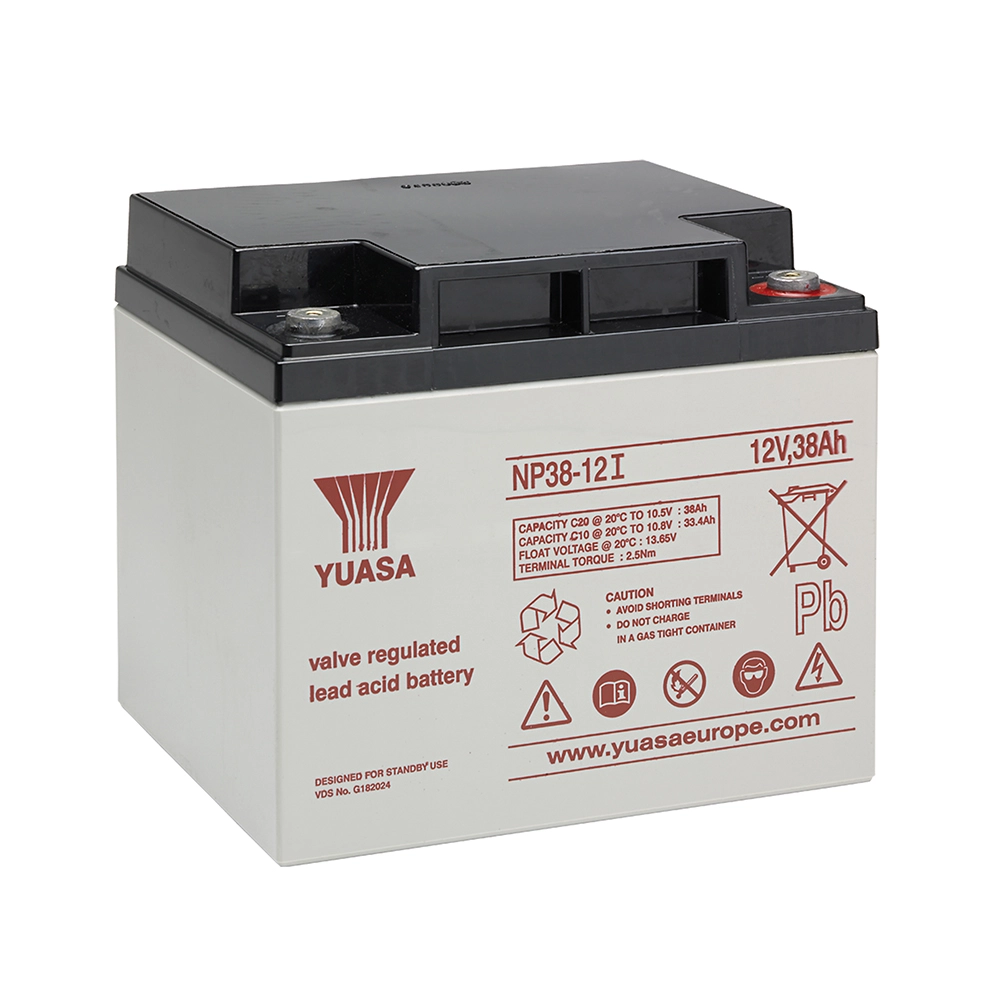
delivery time 2-5 working days
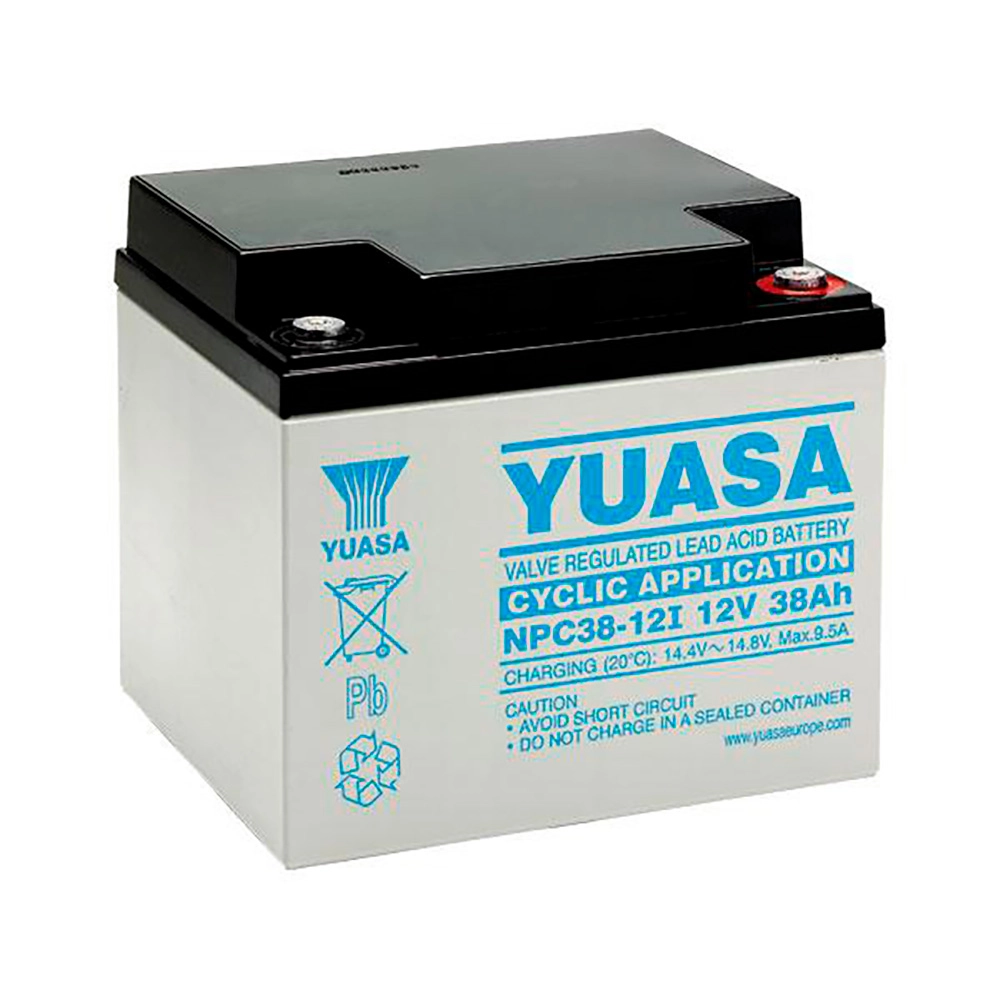
delivery time on request
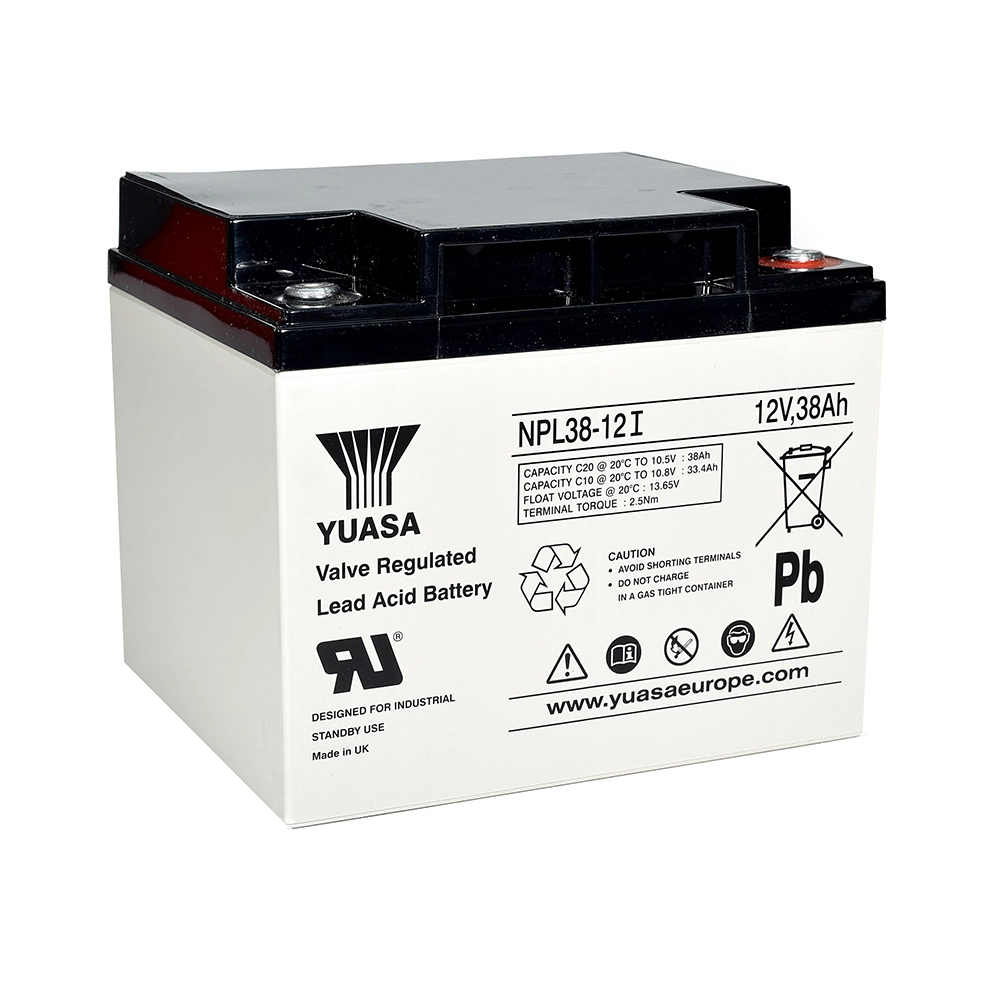
delivery time on request
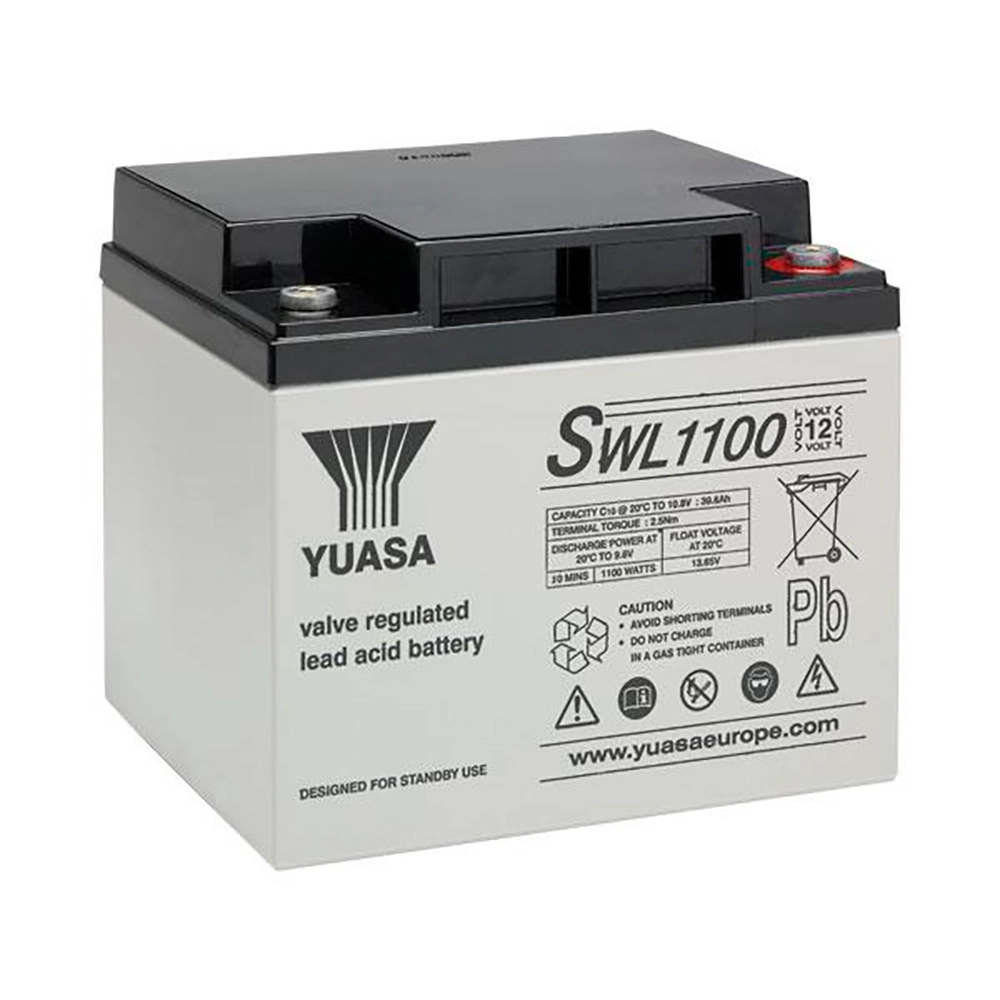
delivery time on request

delivery time on request
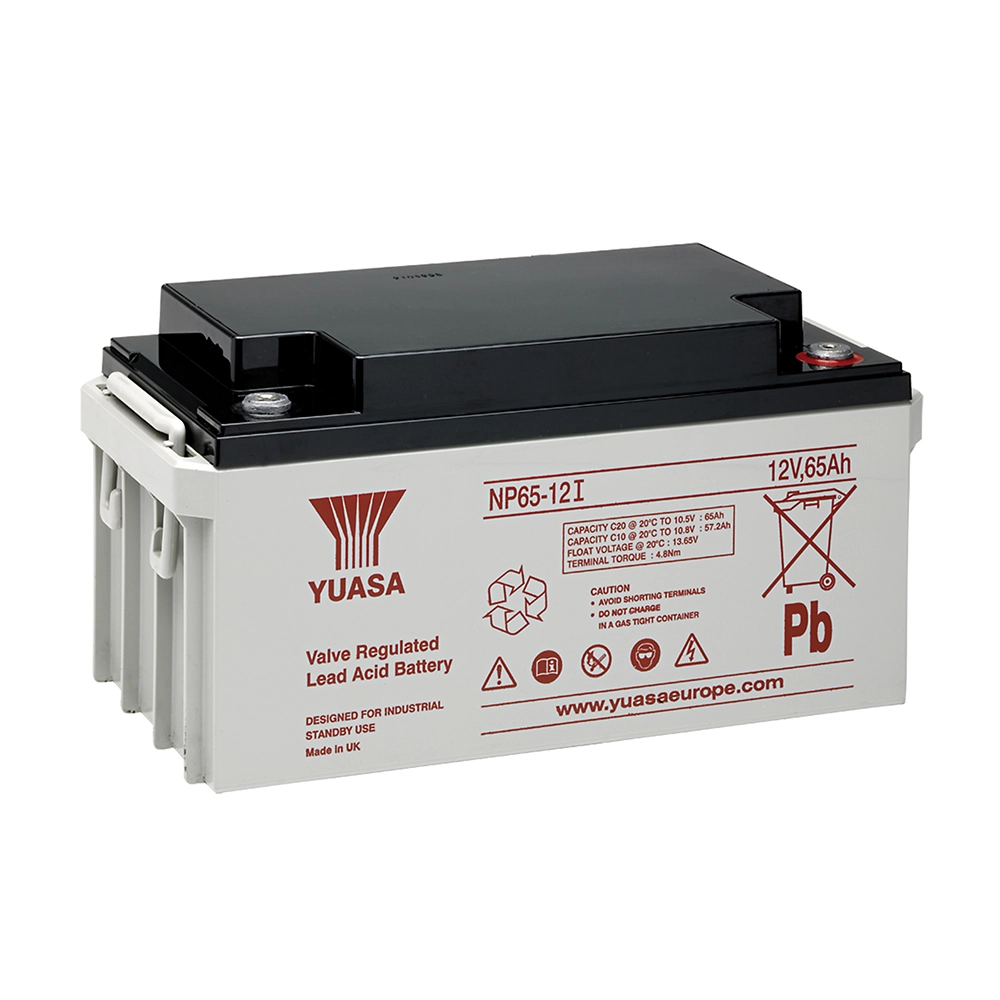
delivery time 2-5 working days
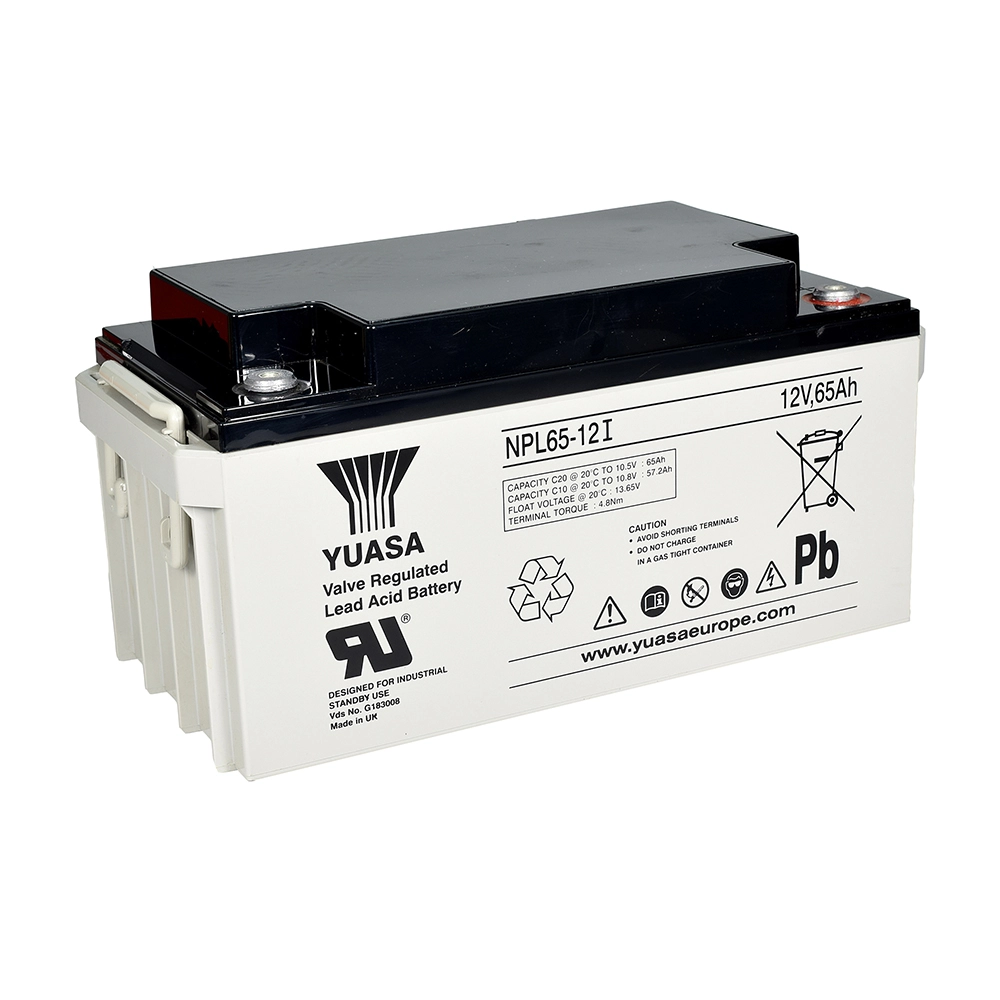
delivery time on request
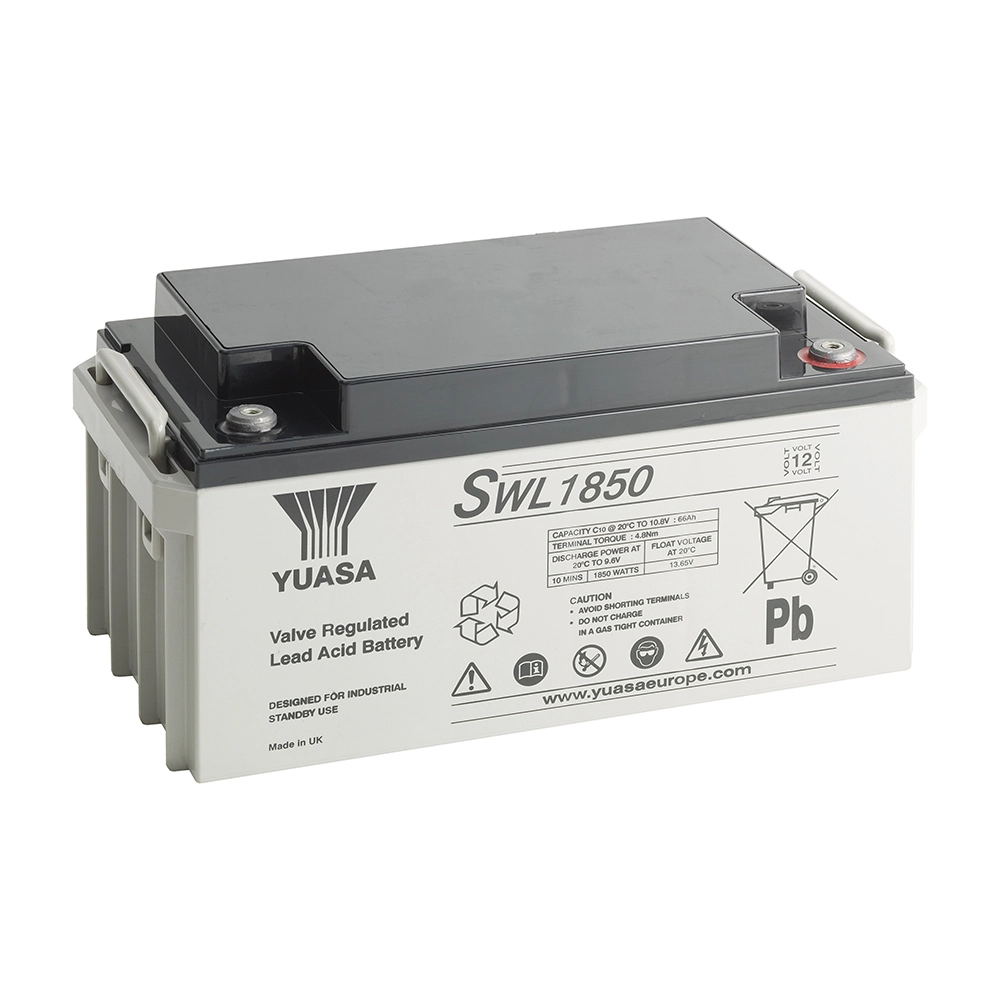
delivery time on request
delivery time 2-5 working days
delivery time on request
delivery time on request
delivery time on request
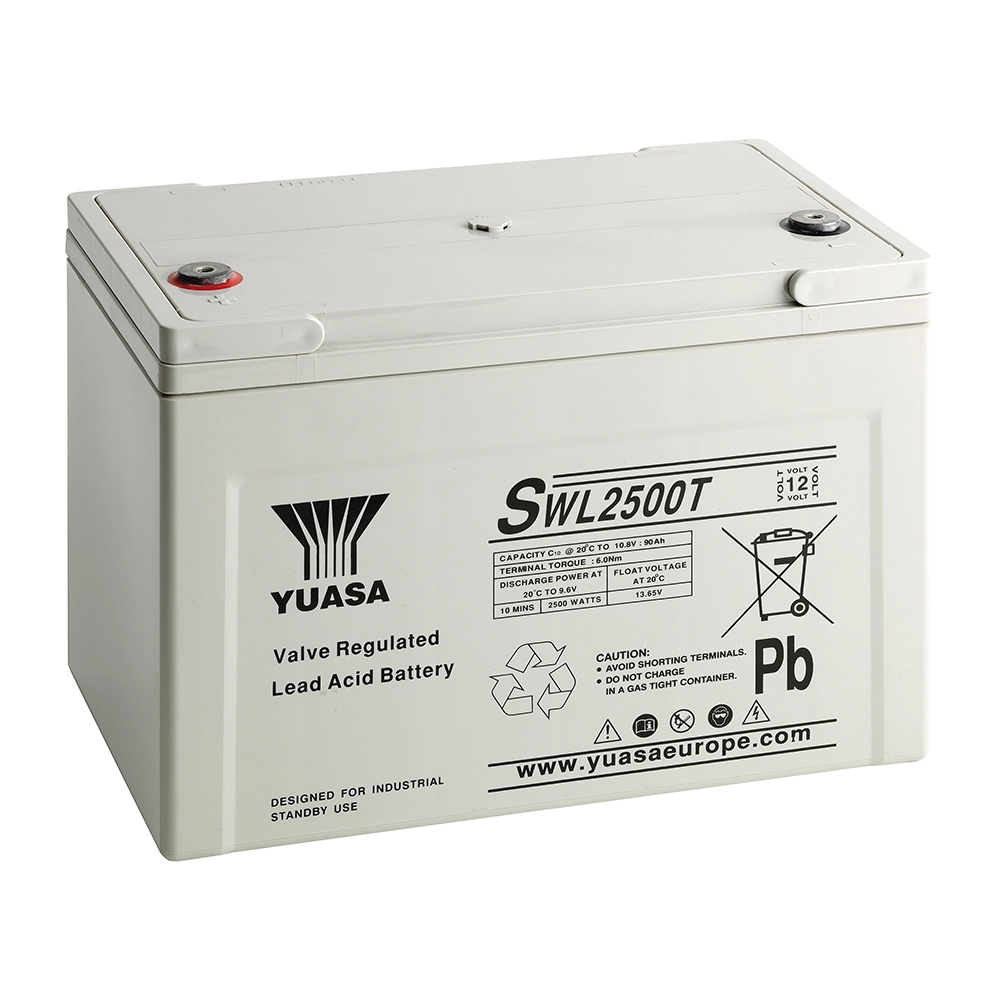
delivery time on request
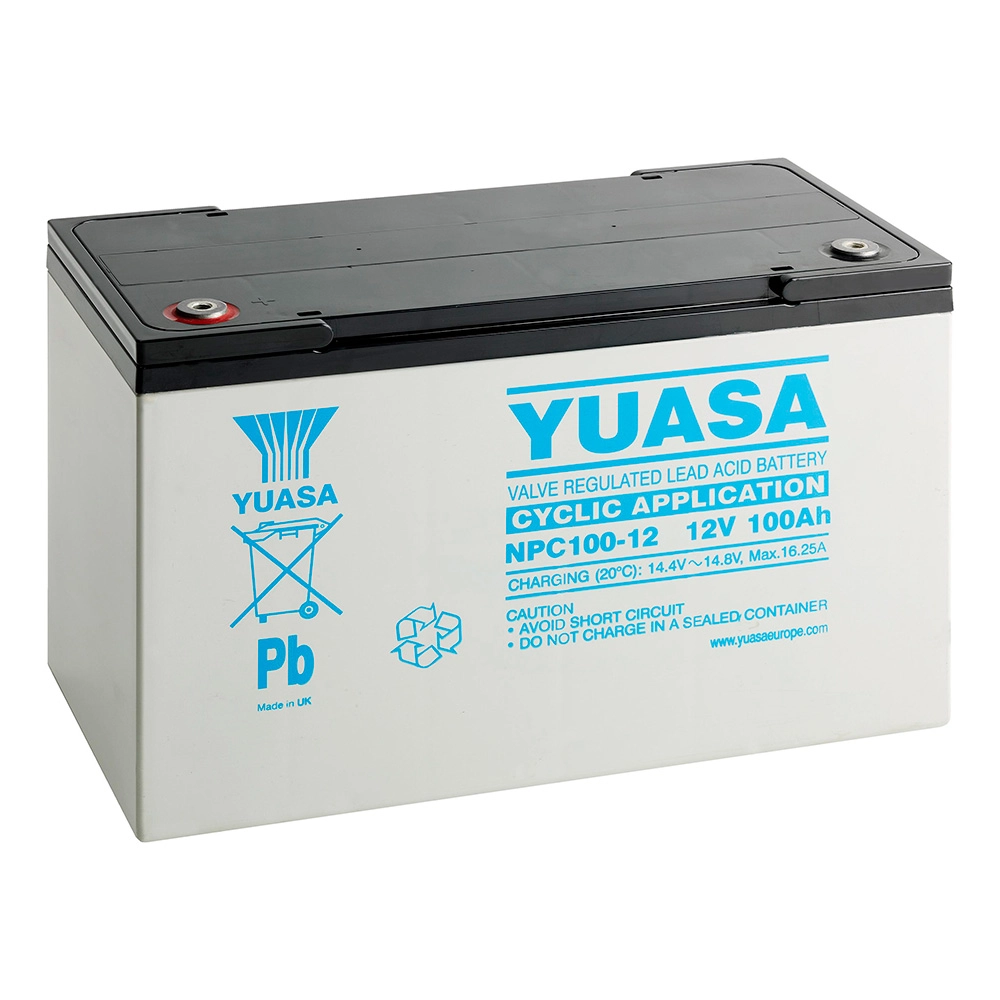
delivery time on request
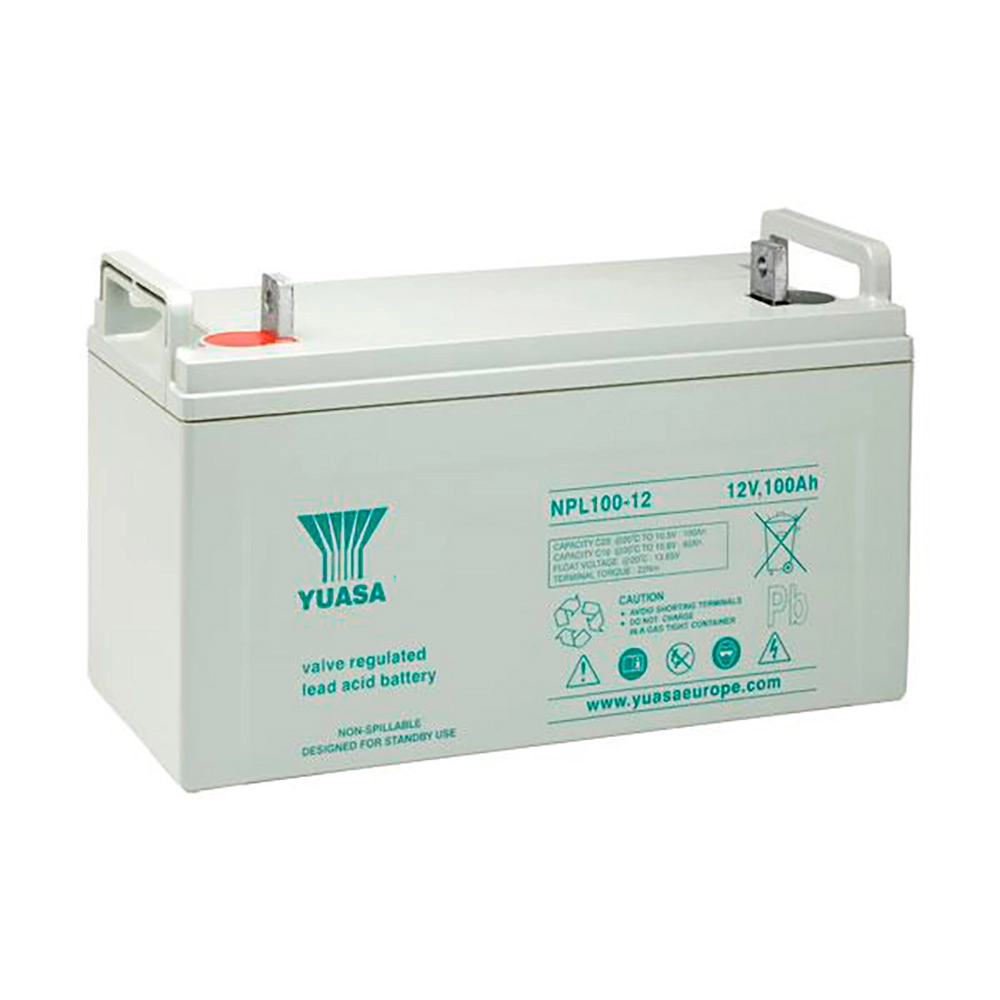
delivery time on request
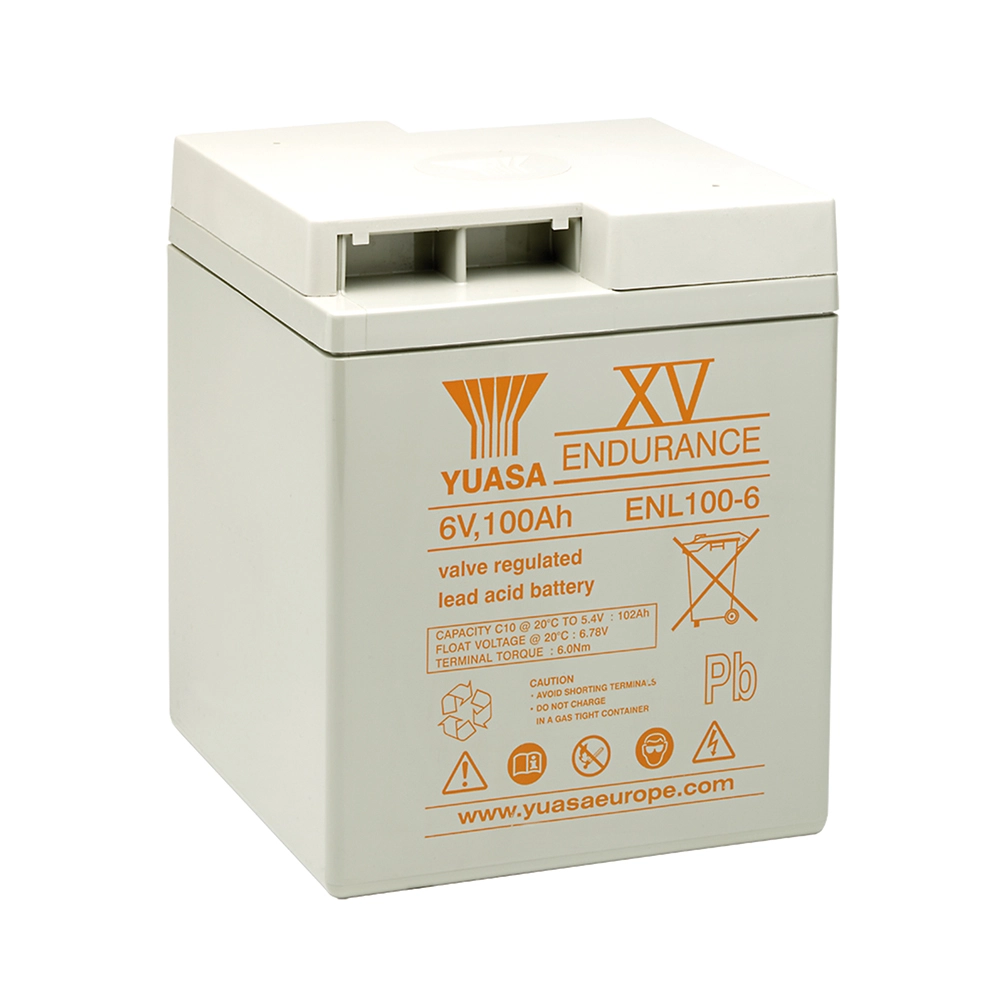
delivery time on request
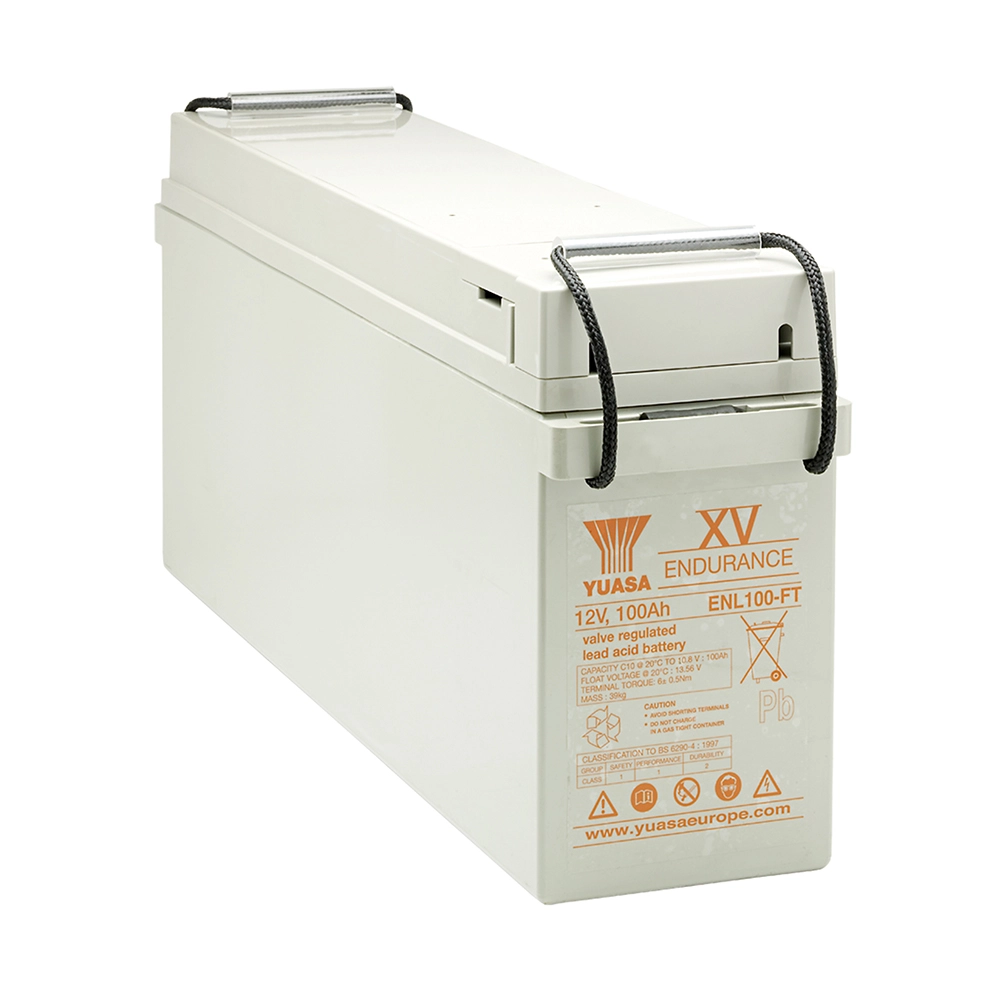
delivery time on request
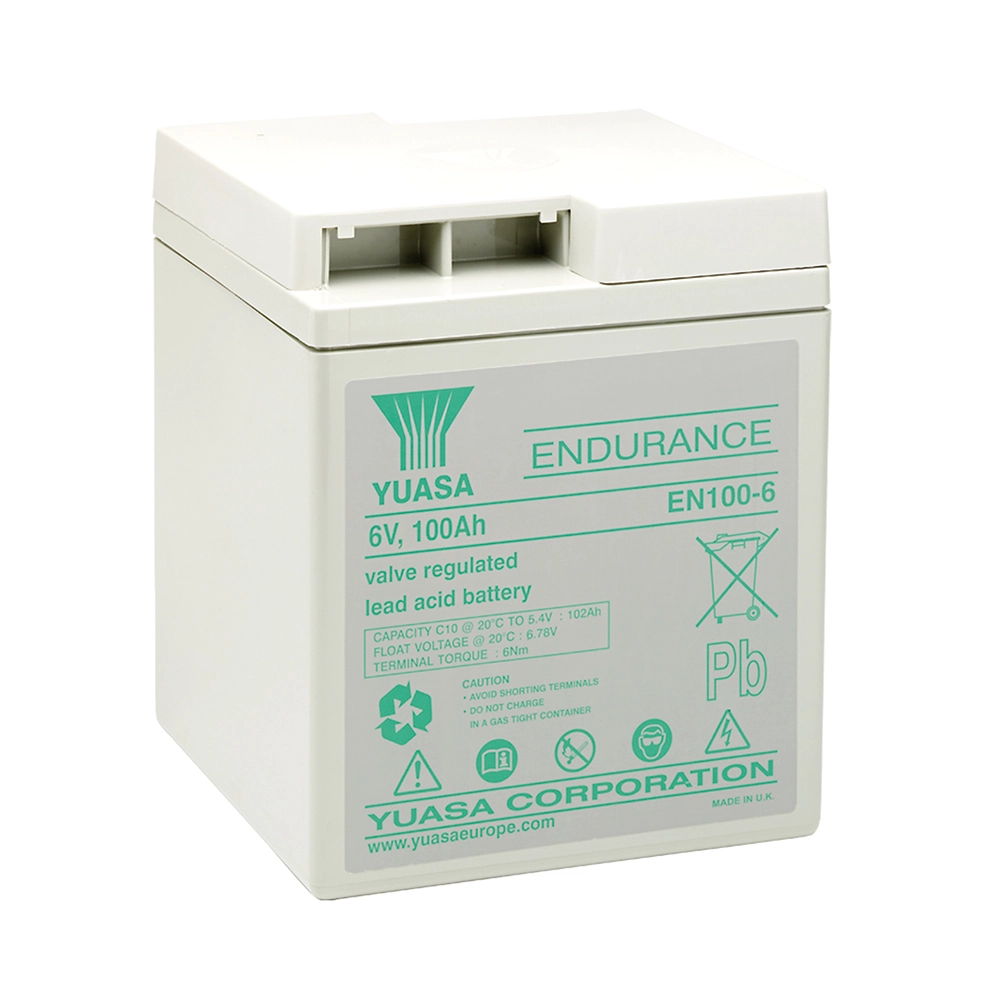
delivery time on request
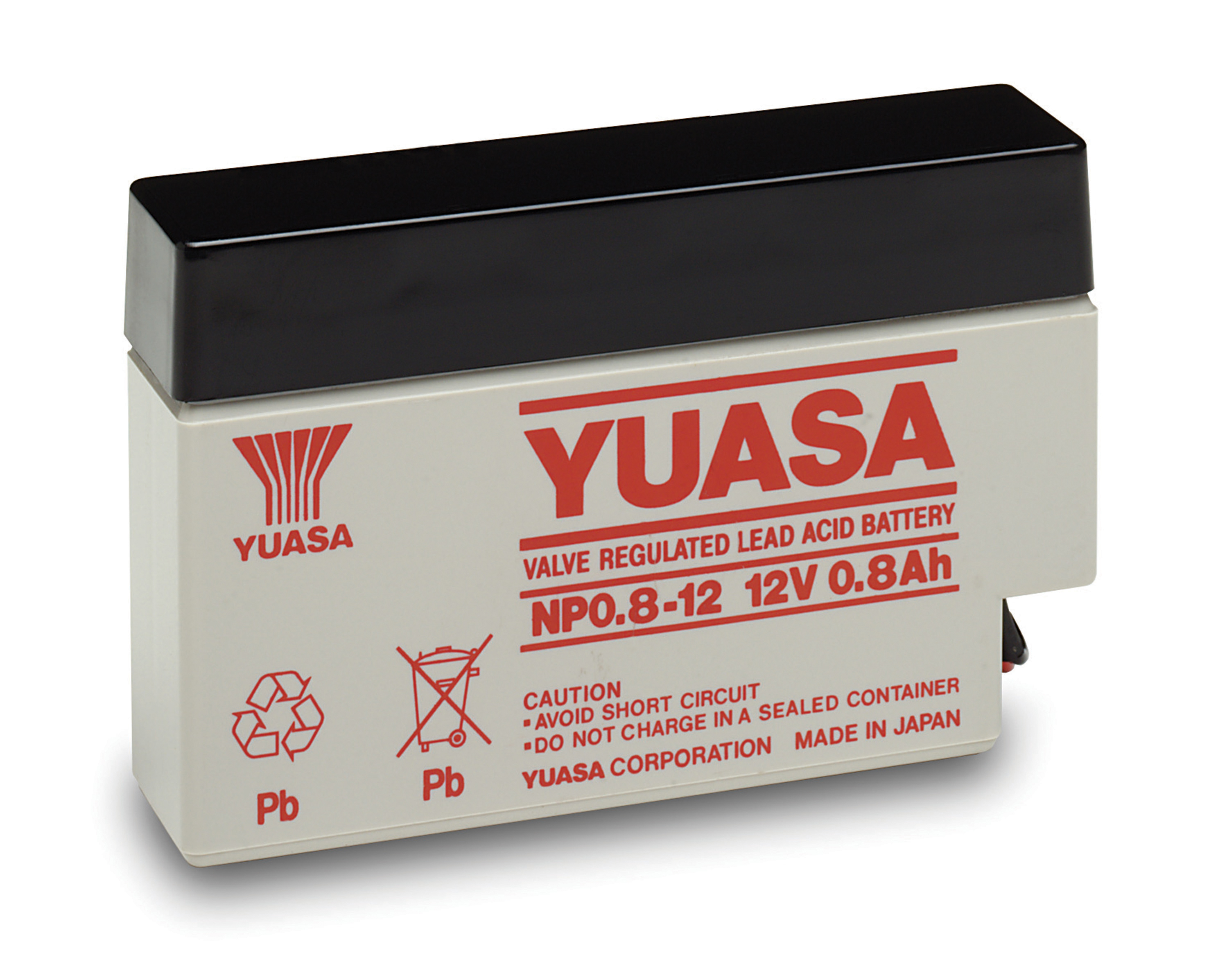
delivery time 2-5 working days
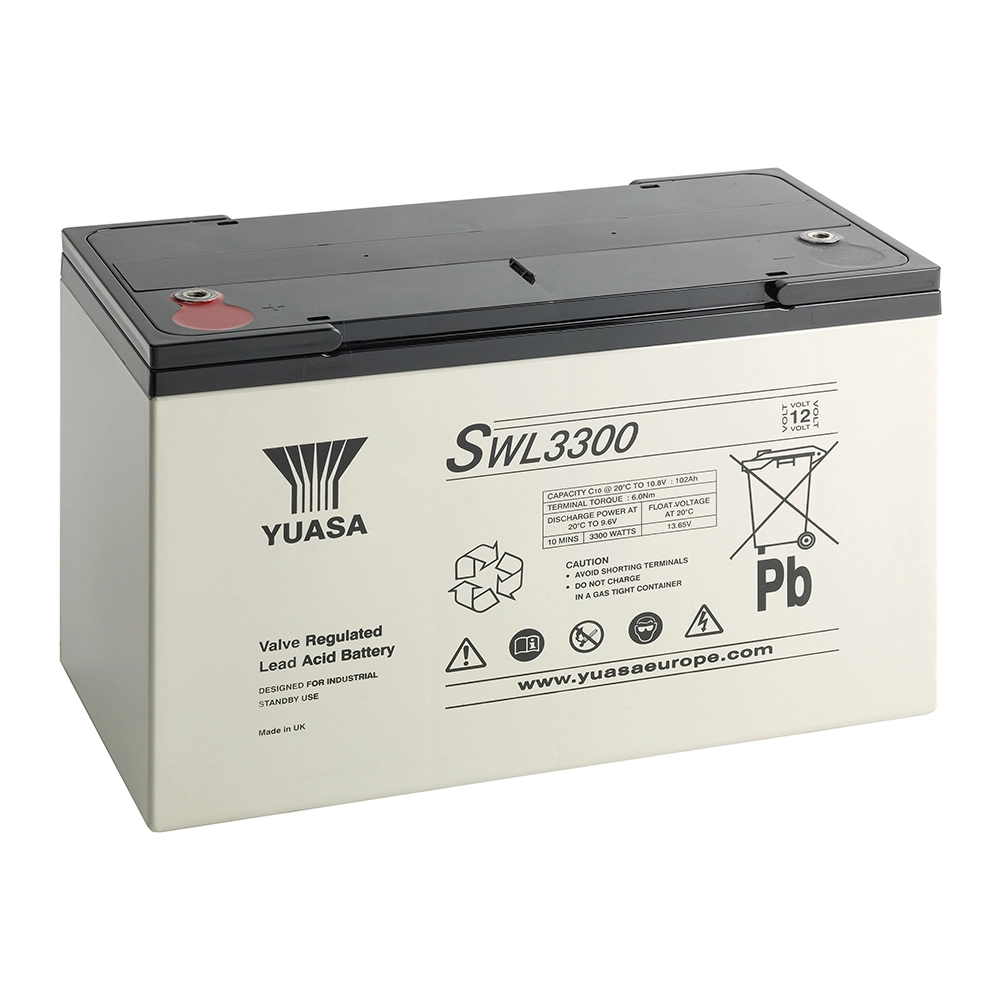
delivery time on request
AGM batteries
The lead-fibre-mat battery – also known as an AGM (Absorbent Glass Mat) battery – is a sealed, valve-regulated battery. Thanks to the built-in glass fibre mat, the AGM battery is protected against electrolyte (acid) leakage when used in any position. For backup and safety applications, as well as many other uses, we offer AGM batteries ranging from 2 V to 12 V and 0.8 Ah to 200 Ah – some of which are VdS-approved as VdS batteries – from various manufacturers. Try our own brands, SSB Battery and SUN Battery, which stand for the highest quality at a fair price.
What is an AGM battery?
An AGM battery, or AGM rechargeable battery, is a starter battery for vehicles. It is designed to fulfil two functions: firstly, to provide bursts of starting current, and secondly, to keep the vehicle’s electrical system running for a long time.
The advantage is that AGM batteries generally last longer than flooded batteries.
AGM stands for ‘Absorbent Glass Mat’. The glass mats, which cushion the ultra-thin lead plates, compress like a sponge. As a result, manufacturers can pack more glass mats and lead into a battery. More lead means more power. This compression factor ensures that the interior of the battery is tightly packed.
AGM batteries also have valves that regulate the amount of hydrogen and oxygen that escapes during charging. This means that AGM batteries belong to a broader category of valve-regulated lead-acid batteries (VRLA batteries). Lead-acid batteries are used to store large amounts of energy over a long period of time or for continuous operation.
AGM batteries were developed in the 1970s and were mainly used as an emergency power supply for telephone boxes and computer rooms. Over the decades, their use has expanded to include motorbikes, aeroplanes, submarines and power banks for offices.
How do AGM batteries work?
The AGM battery’s superpowers are based on two innovations that fundamentally expand the capabilities of a car battery.
Firstly, a valve prevents vapourised water from escaping from the battery casing.
This trick is the secret to an AGM battery’s long service life.
The chemistry is based on lead, sulphuric acid and water. When you draw current from the battery, the acid molecules migrate to the lead plates, leaving behind water and lead sulphate. This removes the sulphuric acid from the solution, allowing a chemical reaction to take place between the paste on the plates. When the battery is recharged, this process is reversed.
There is a possibility that some water may be lost when electricity splits H₂O into hydrogen and oxygen gases. The loss of these water molecules means that the electrolyte is more acidic than usual. An acidic electrolyte can reduce the intensity of the chemical reaction on the plates, thereby shortening their service life.
The AGM valve prevents these gases from escaping.
If you use the wrong charger for an AGM battery and overcharge it, the valve must not prevent gas from escaping. If AGM batteries are overcharged, more water molecules break down and too much gas builds up inside. For safety reasons, gas is released to reduce the pressure build-up within the battery.
Secondly, the fibreglass mesh covering on the mats ensures that the AGM battery delivers higher performance.
Ultra-thin glass fibres absorb the electrolyte (water and sulphuric acid) into pads that cushion the lead plates. Instead of the free-flowing liquid found inside a car battery, the AGM battery carries its charge in saturated sponges that cover the lead plates. The complete coverage provided by the glass mats makes it easier to get more power out of the starter battery – and makes recharging easier.
In terms of performance, speed, longevity and durability, the AGM battery is superior to standard batteries.
AGM batteries are now used in cars and lorries.
AGM battery for your start-stop vehicle
The lead-acid battery has not changed much in 160 years.
Ever since its invention in 1859, the same 160-year-old technology has been powering your car and almost every car around the world. It still consists of thin lead plates, sulphuric acid and water (plus a durable polypropylene casing). Minor improvements and adjustments have been made over the years.
What is the difference between an AGM battery and a standard car battery?
AGM car batteries offer unbeatable advantages over flooded types:
- More starts per battery/ per rechargeable battery
- Faster Charging
- Higher capacity than conventional batteries (capacity depends on the battery’s level of wear and tear)
- More durable design
- Safer to use
- Leak-proof and maintenance-free
- Special valves help to prolong the battery’s service life
- Over the course of their service life, AGM batteries can start an engine more than 60,000 times. That is more than three times the number of starts you can achieve with a conventional battery.
AGM batteries charge more quickly than conventional batteries. When the engine is started, the AGM battery is discharged only slightly before the alternator takes over. The alternator then charges the battery and ensures that all the electrical components in the car are working properly.
Thanks to their glass fibre mats, AGM batteries are more resistant to shocks and vibrations than conventional batteries. AGM batteries are considered leak-proof, which is why the transport regulations are less stringent.
Where are AGM batteries used?
AGM batteries are used in off-grid power supply systems, including renewable energy systems such as wind and solar power. They are also ideal for powering electric vehicles and uninterruptible power supply (UPS) systems, as well as for robotics, all-terrain vehicles (ATVs) and motorbikes. In addition, they are fitted as start-stop batteries in so-called start-stop vehicles. These vehicles are equipped with an automatic start-stop system which switches off the engine whilst the vehicle is idling at traffic lights.
With ‘standard batteries’, switching the vehicle on and off repeatedly over a long period may cause damage and, in the worst case, lead to the vehicle breaking down.
FAQ
Below, we have summarised the most frequently asked questions about AGM batteries for you.
When is an AGM battery fully and properly charged?
A fully charged AGM battery has an open-circuit voltage of 12.9–13 volts.
The state of charge can be roughly determined by the following battery open-circuit voltages:
- 12,9 V–13 V= 100 %
- 12,2 V–12,3 V= 50 %
- 11,2 V–11,5 V= 0 %
A slightly lower voltage may apply to starter batteries. A starter battery with liquid electrolyte is already fully charged at 12.7 V.
When is an AGM battery flat?
AGM batteries can be discharged to approximately 50–80 per cent without losing capacity due to harmful deep discharge. When the battery is not in use, we recommend charging it fully and recharging it at least every 6 months.
When is an AGM battery deeply discharged?
AGM batteries are considered heavily discharged at an open-circuit voltage of 12 V and deeply discharged at 11.8 V.
How do you charge AGM batteries?
A high charging current damages the battery – do not exceed 30 per cent of the capacity (0.3 C) when charging. As a rule of thumb for AGM batteries, the optimum charging current should be 15–25 per cent of the battery’s capacity. You can charge your AGM batteries using our battery charger, which has been specially designed for VRLA/AGM batteries.
What are the advantages of an AGM battery?
As well as their leak-proof and spill-proof design, AGM batteries are also completely maintenance-free. Further advantages include their long service life and high performance, their resistance to cold temperatures and their long shelf life.
We would be happy to advise you in person on AGM batteries. You can find our contact details here.


 +49 40 611 631-79
 info@battery-kutter.de