


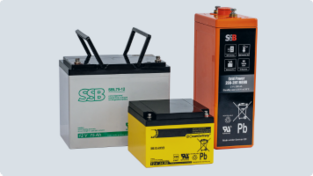

Lead batteries
Discover a wide range of high-quality lead-acid batteries from our own brands Sun Battery and SSB Battery, as well as other leading manufacturers such as Exide, Hawker and Yuasa. Whether you need maintenance-free AGM or gel batteries, pure lead batteries or classic lead-acid batteries, you will find the right solution for UPS systems, security technology, telecommunications, industry and many other applications.
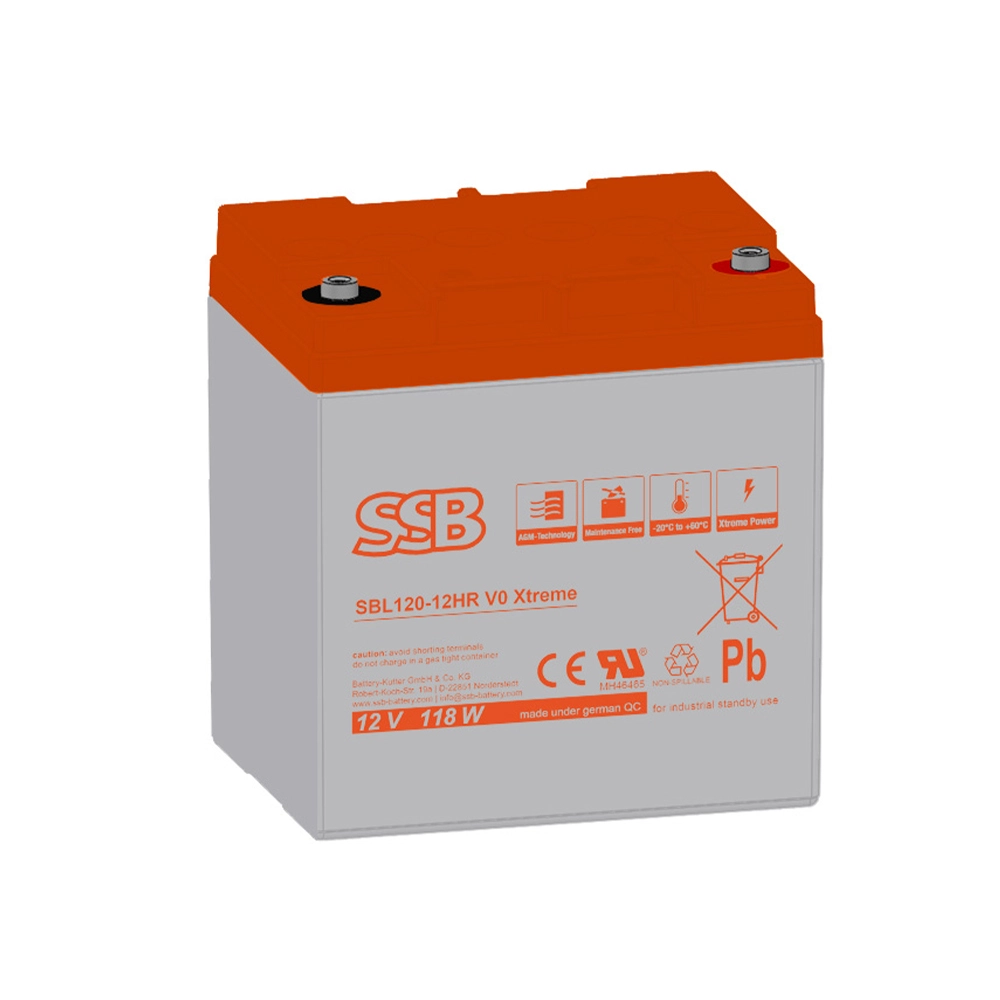
delivery time 2-5 working days
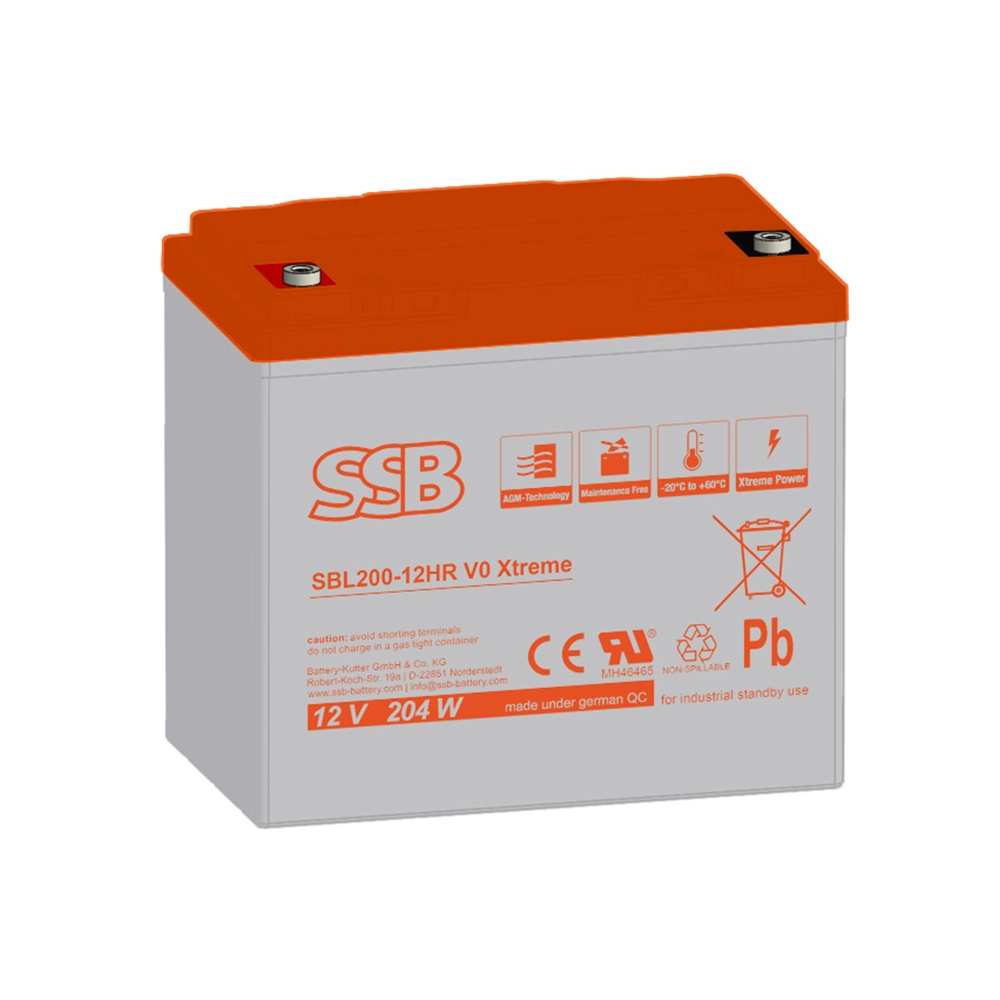
delivery time 2-5 working days
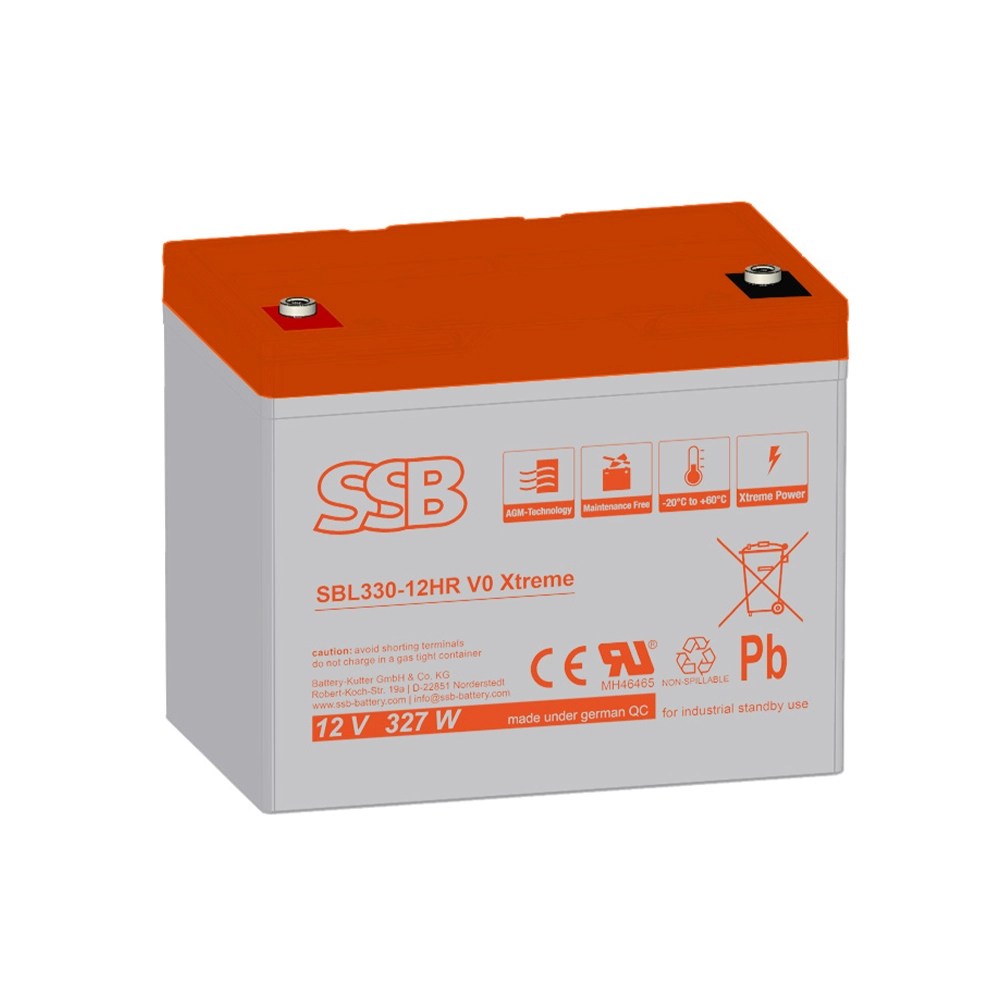
delivery time 2-5 working days
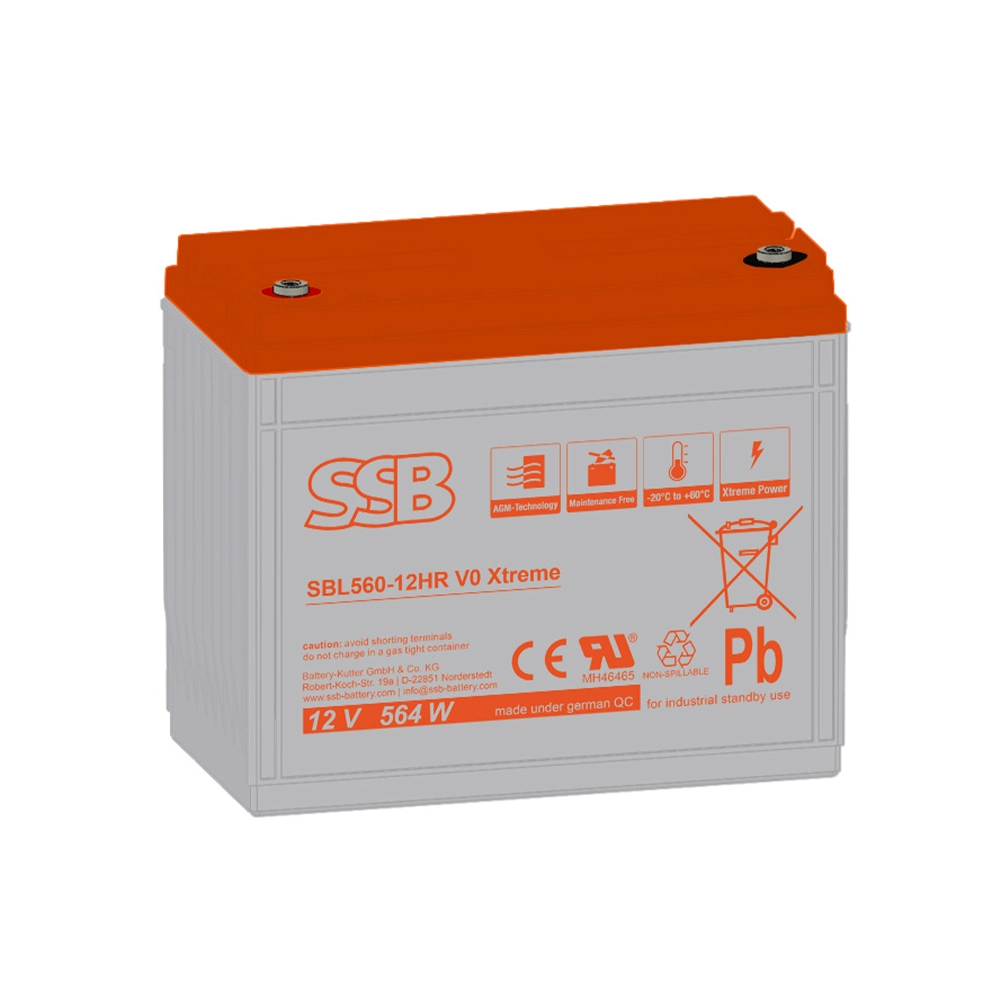
delivery time 2-5 working days
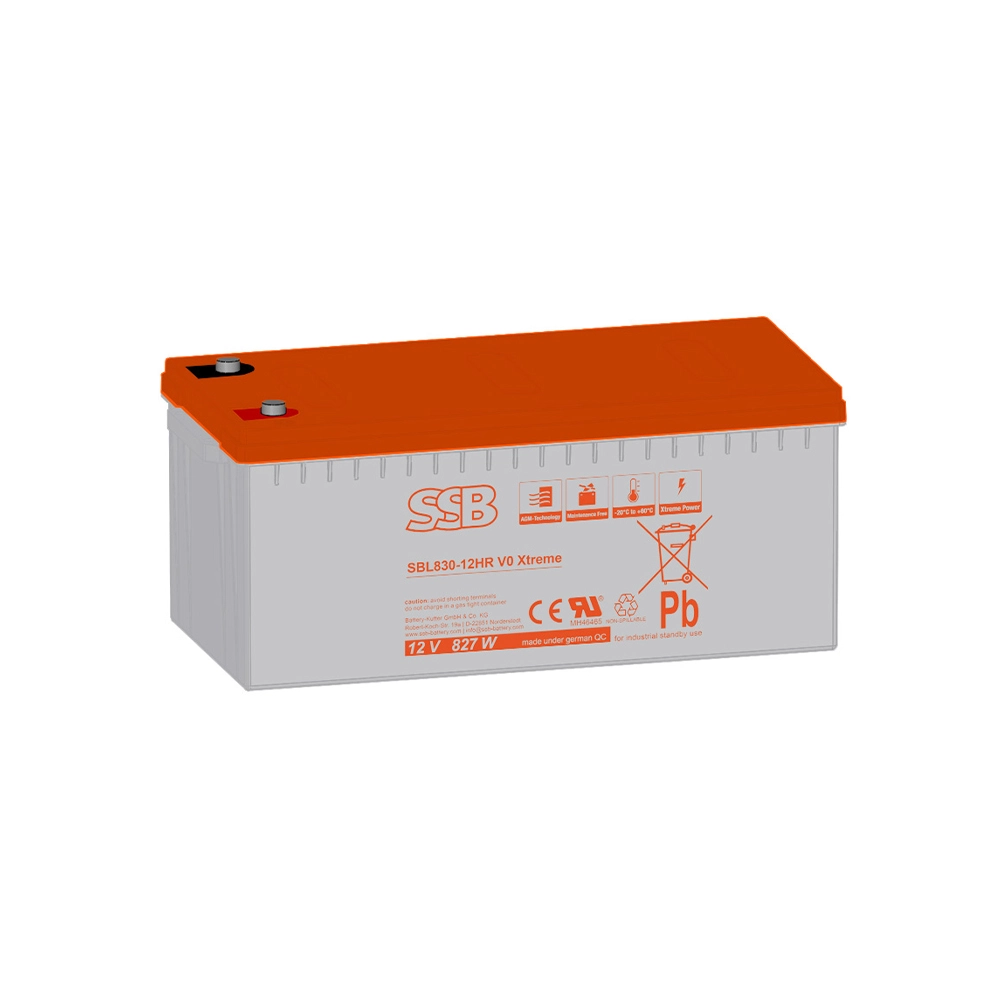
delivery time 2-5 working days
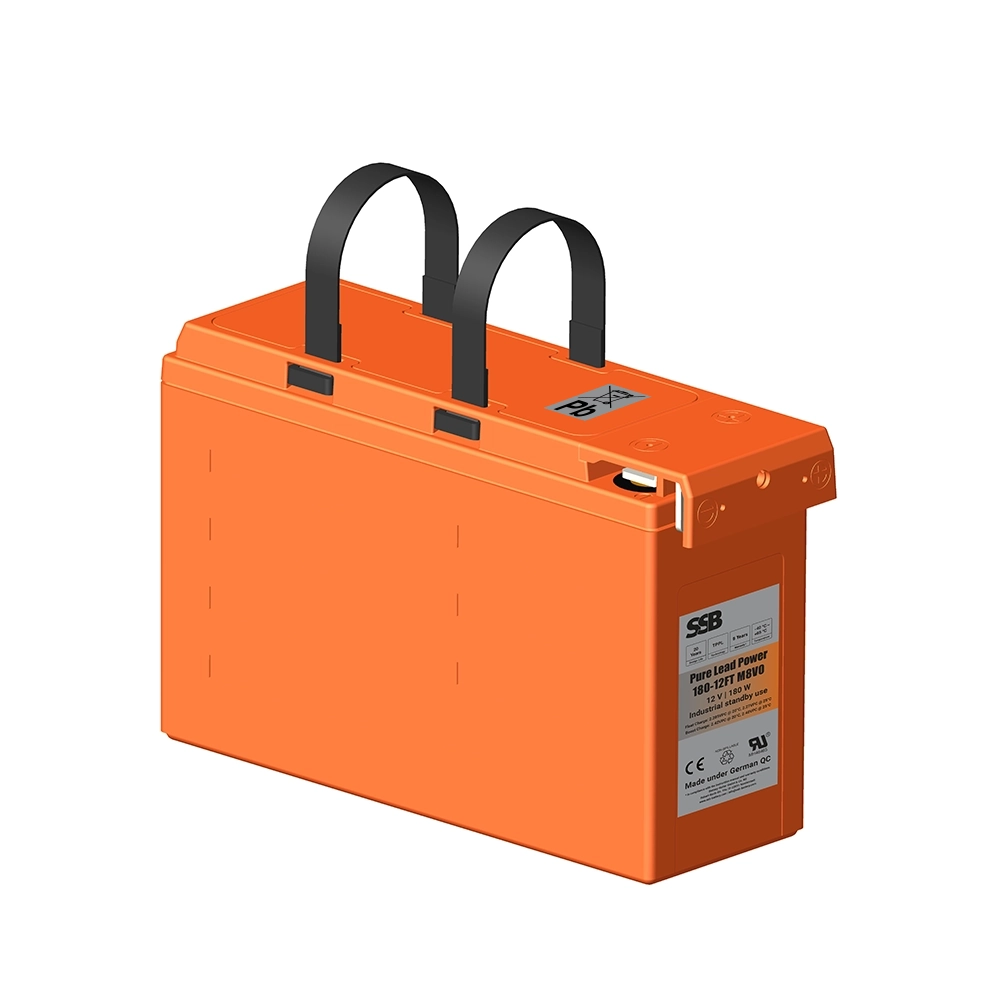
delivery time 2-5 working days
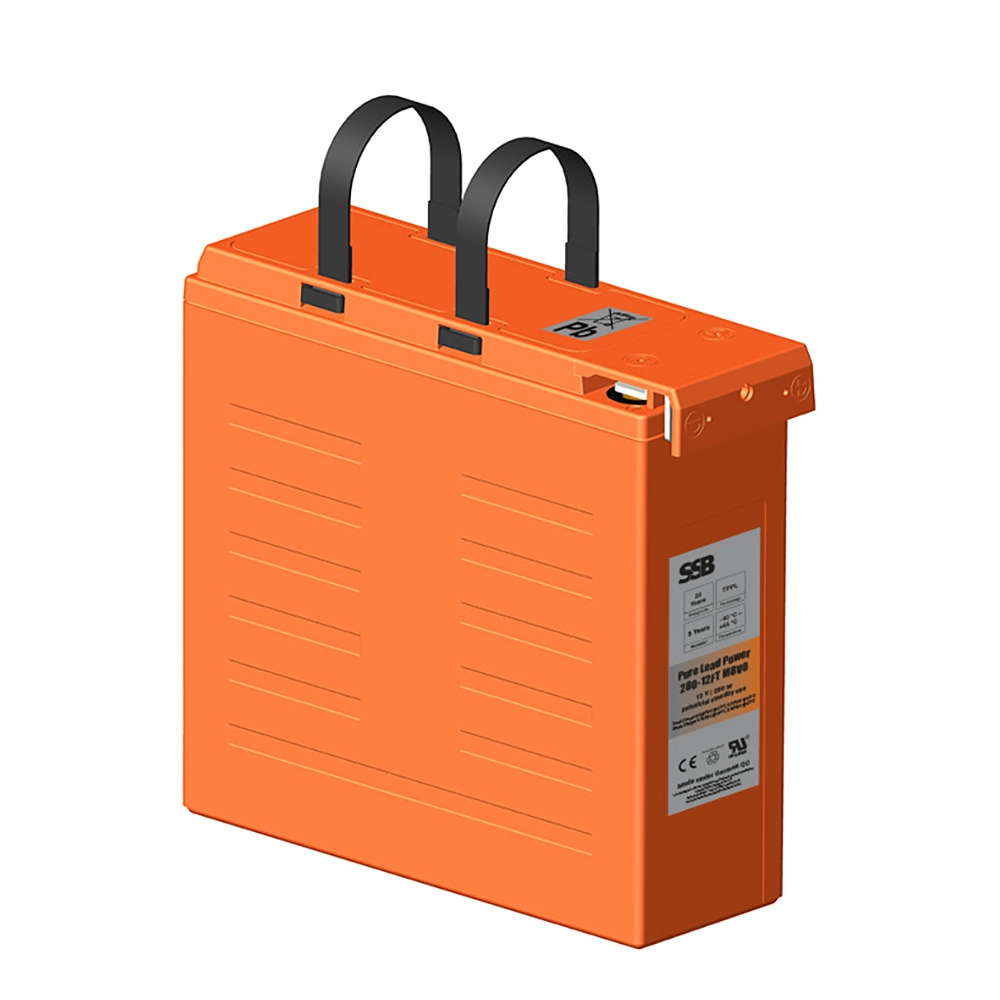
delivery time 2-5 working days
delivery time 2-5 working days
delivery time 2-5 working days
delivery time 2-5 working days
delivery time 2-5 working days

delivery time 2-5 working days
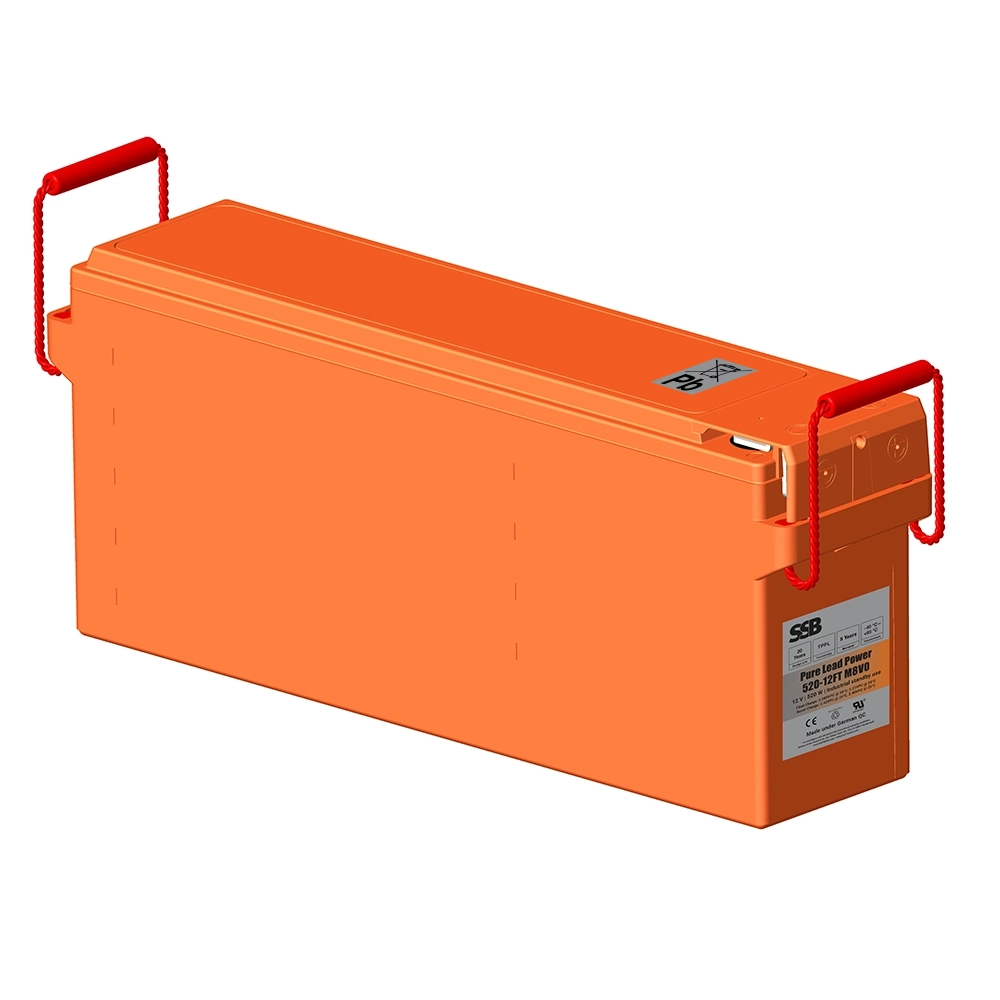
delivery time 2-5 working days
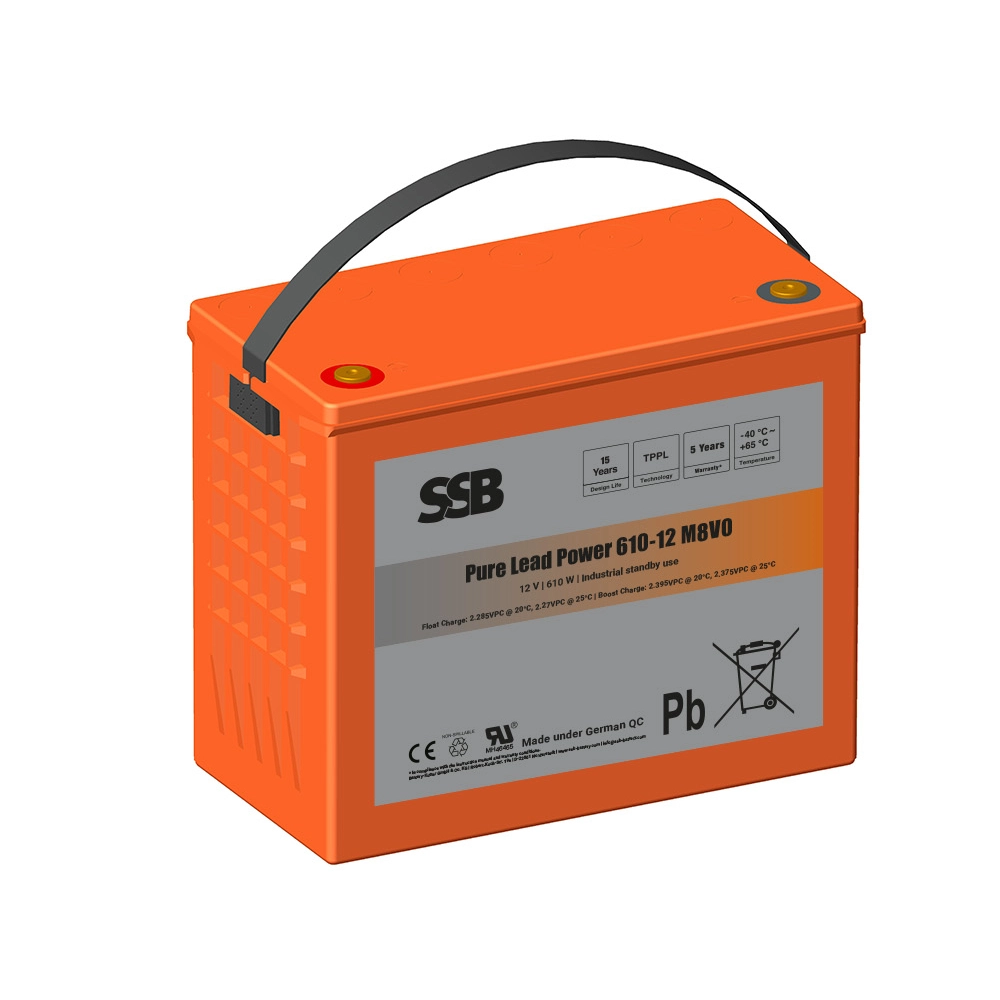
delivery time 2-5 working days
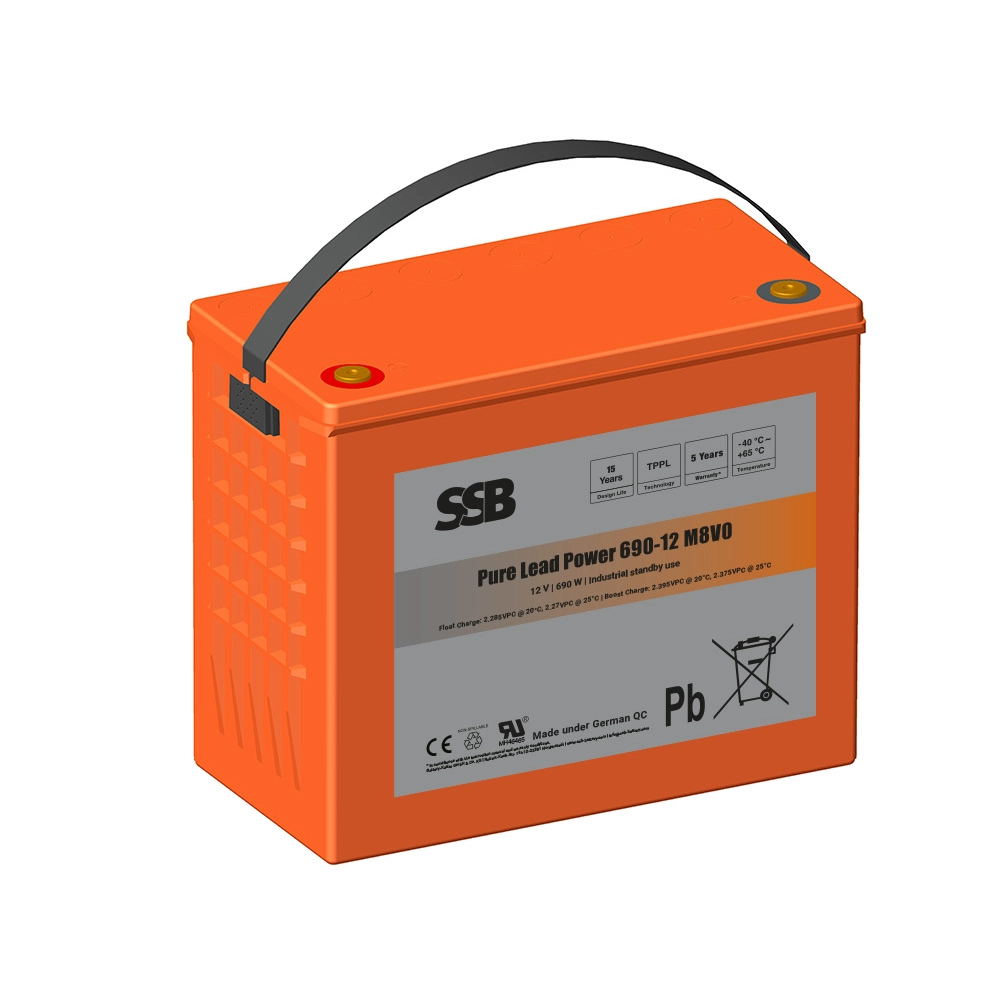
delivery time 2-5 working days
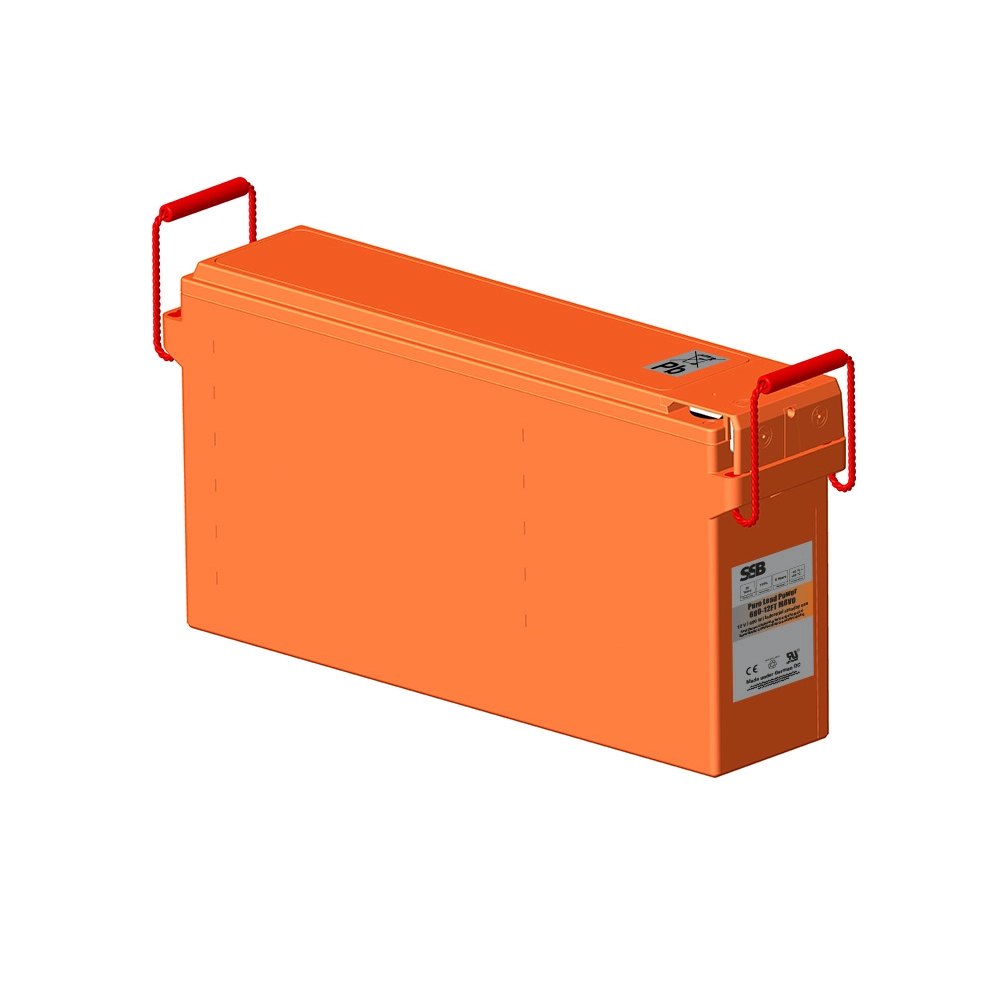
delivery time 2-5 working days
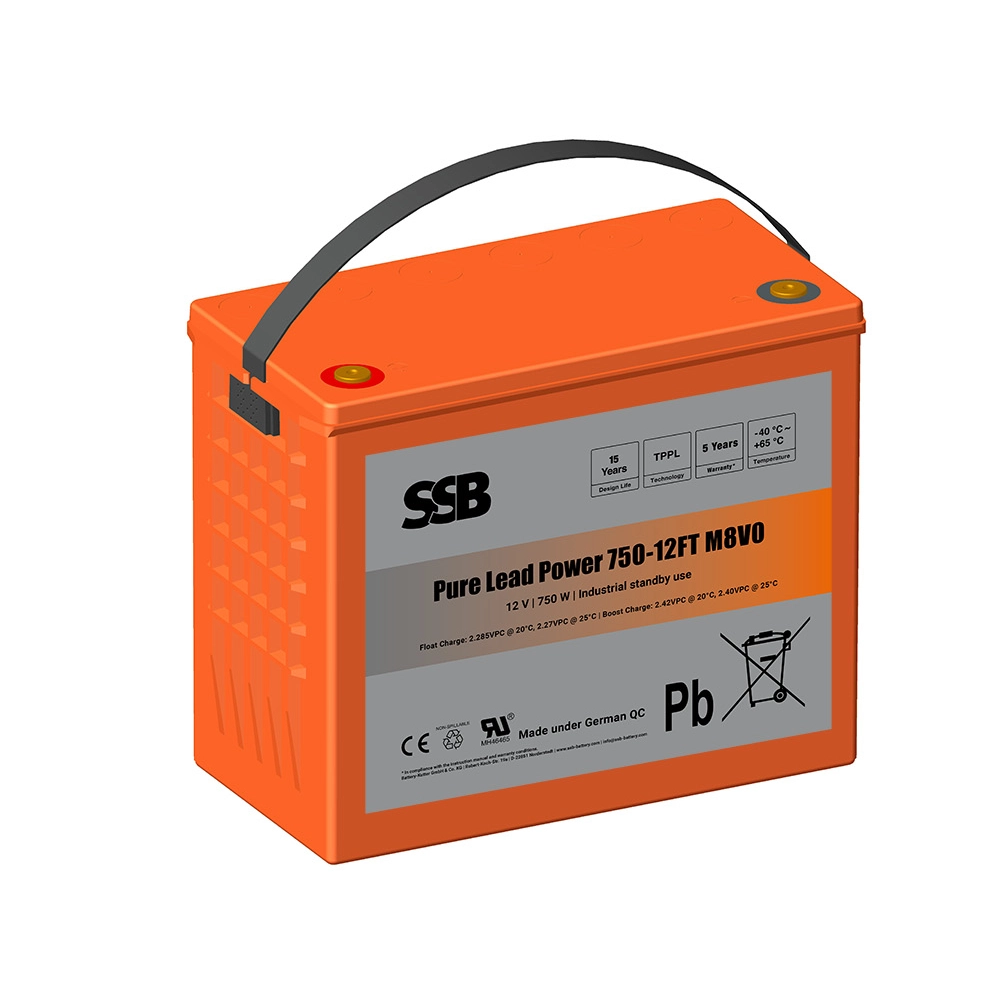
delivery time 2-5 working days
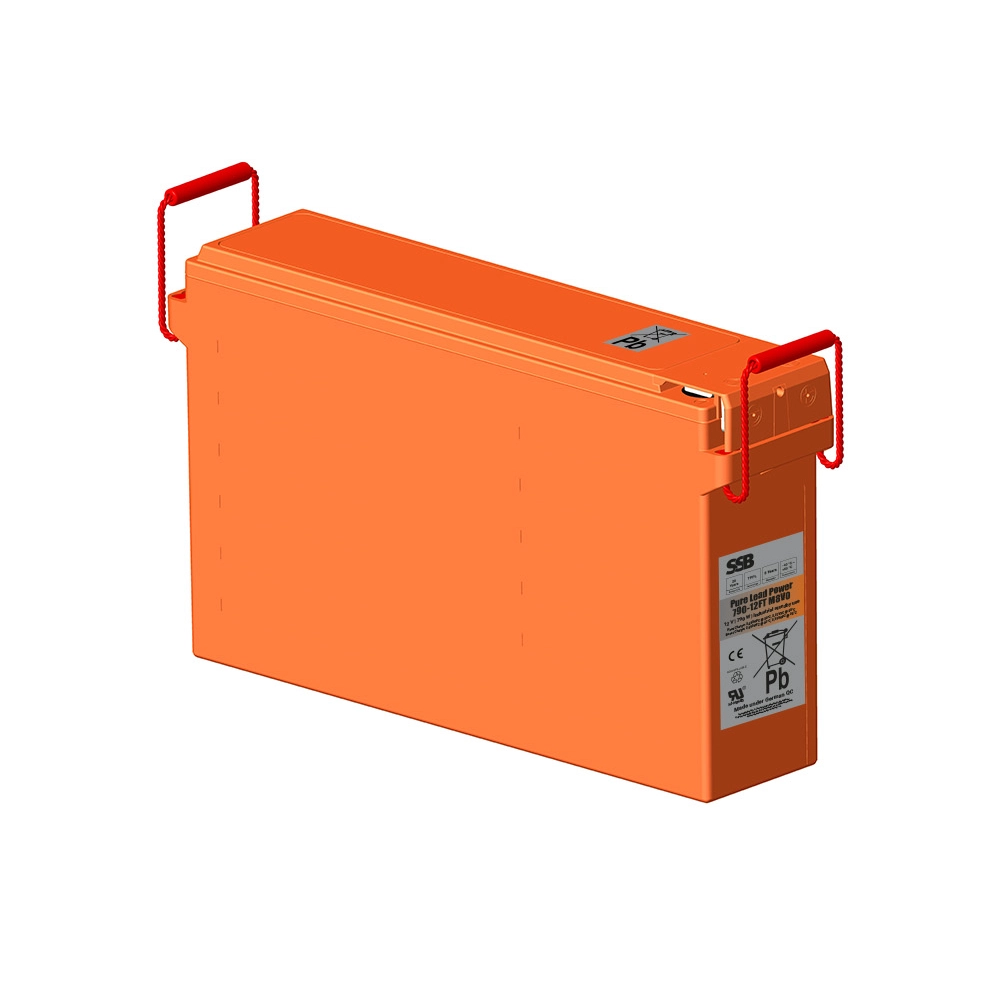
delivery time 2-5 working days
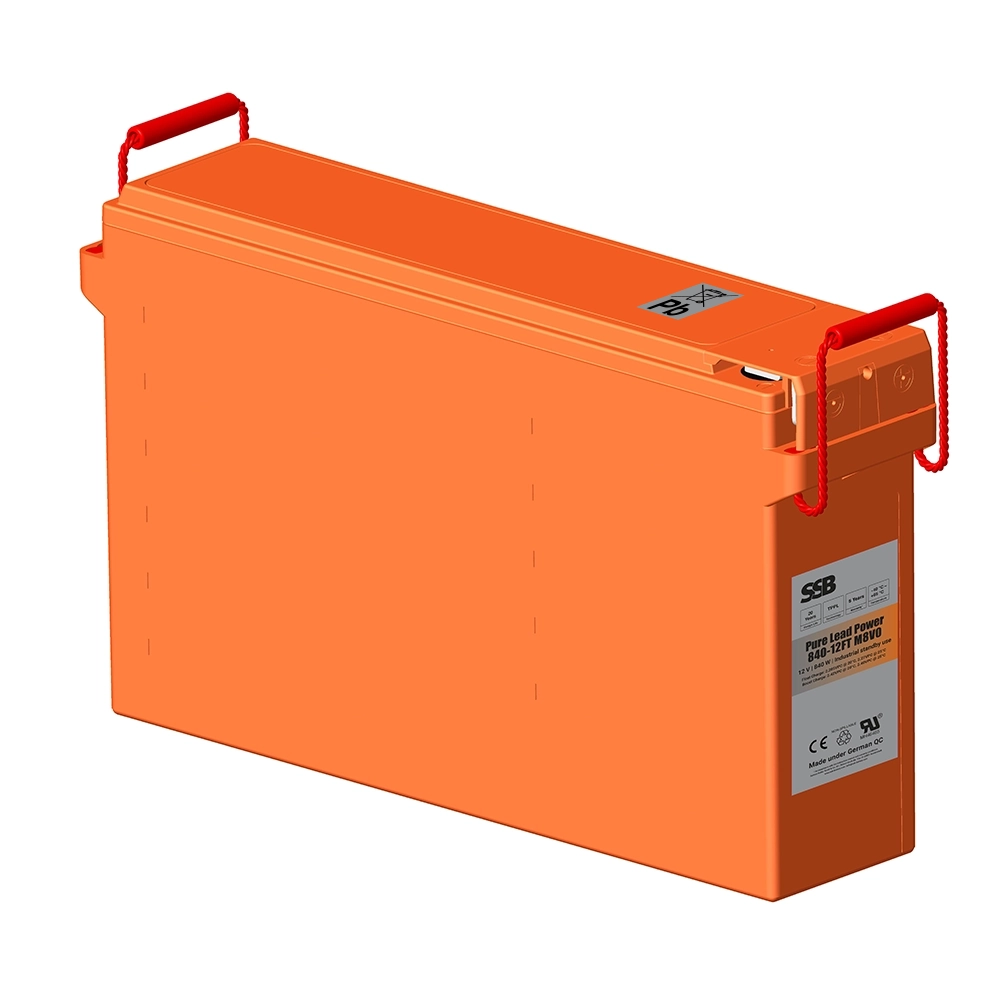
delivery time 2-5 working days
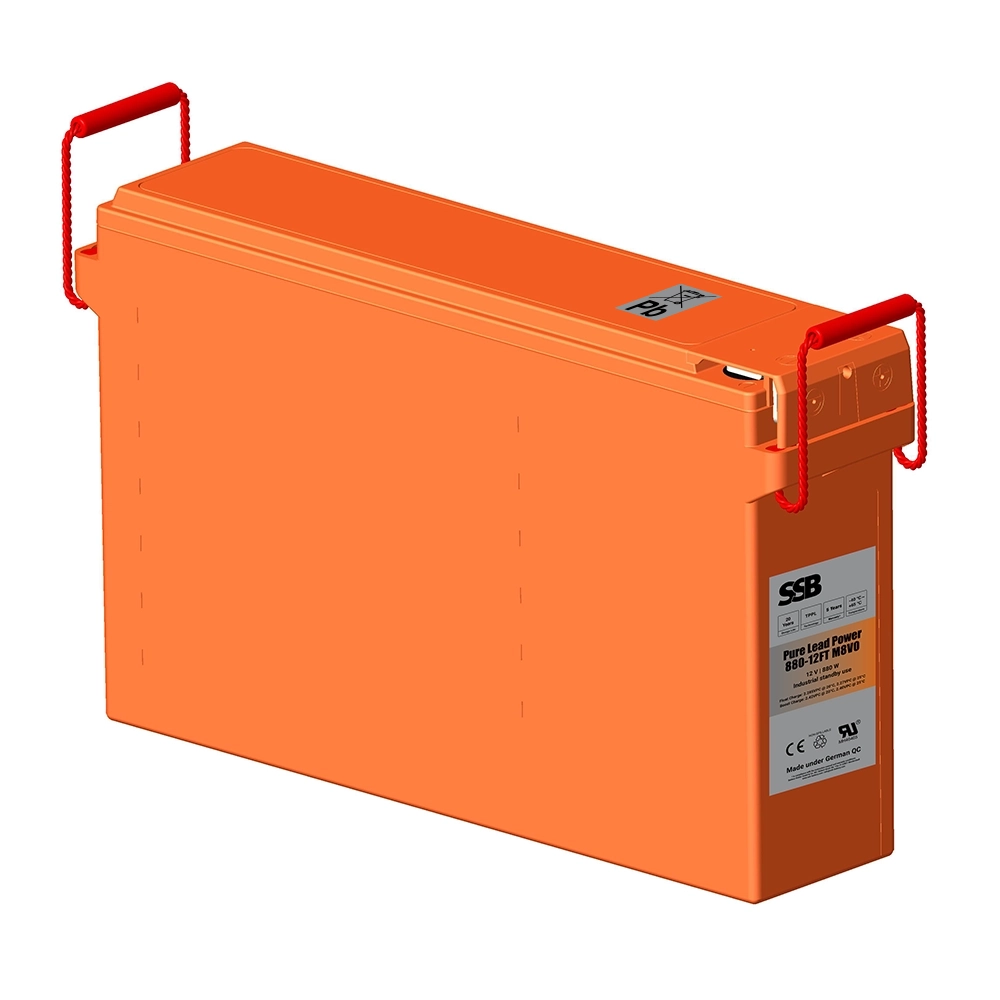
delivery time 2-5 working days
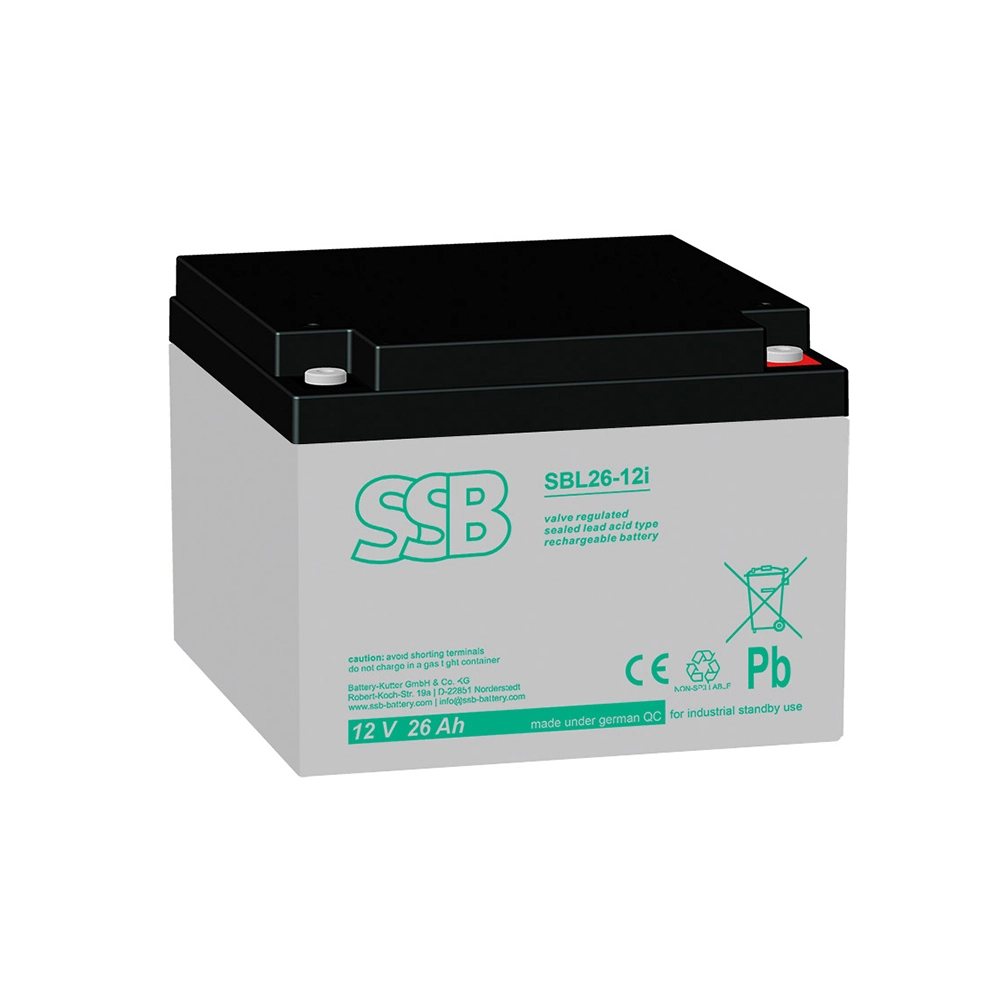
delivery time 2-5 working days
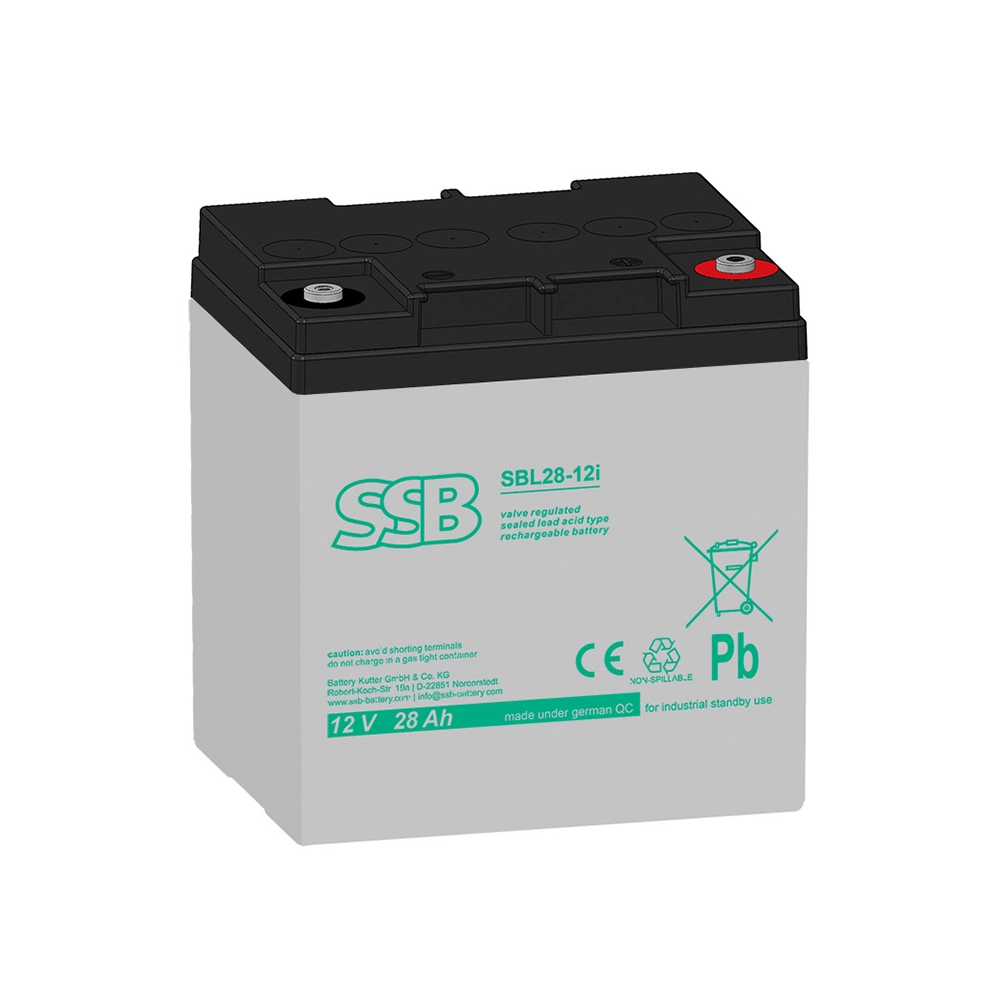
delivery time 2-5 working days
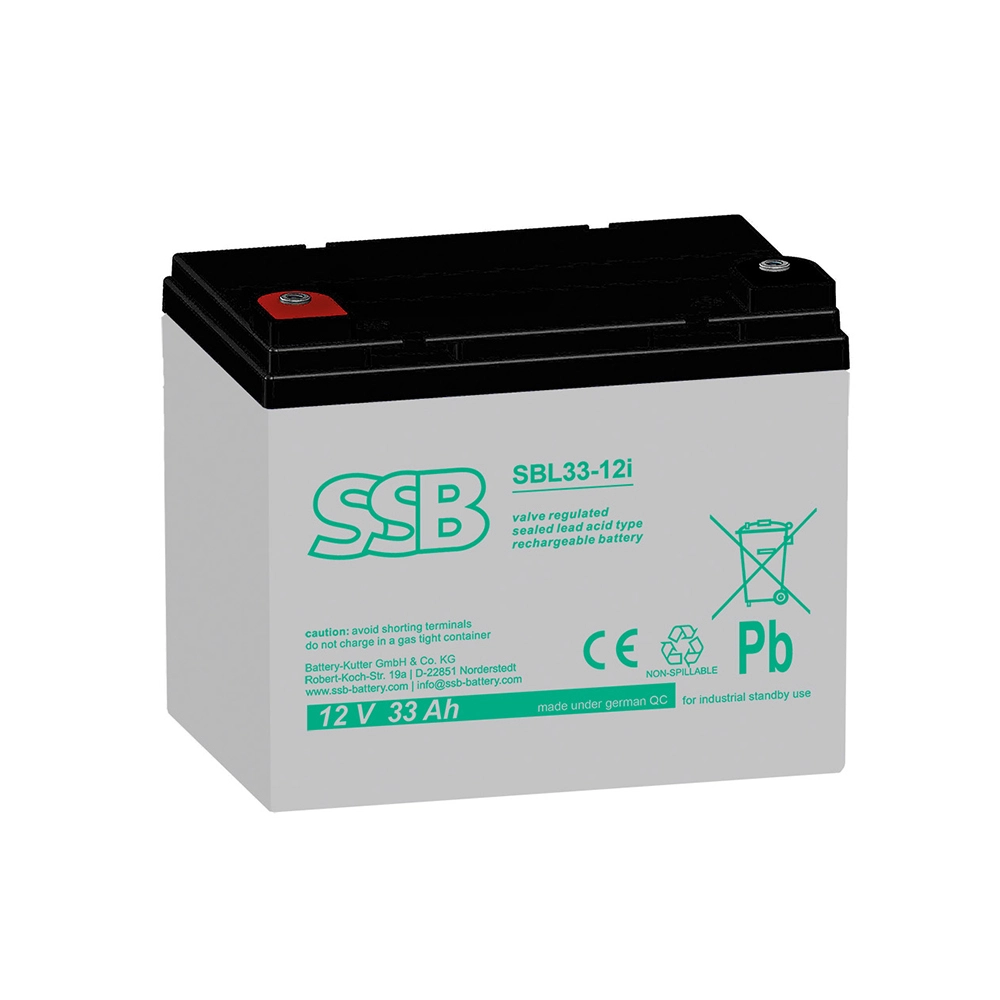
delivery time 2-5 working days
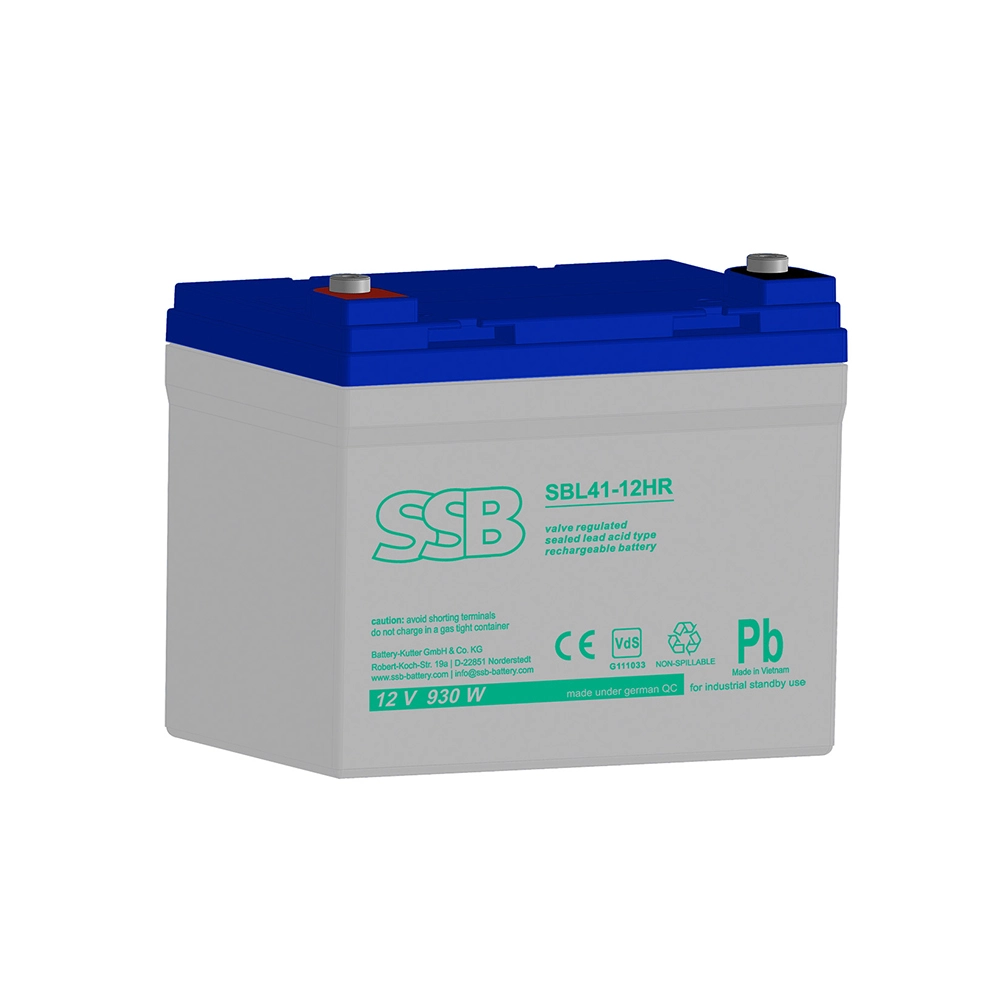
delivery time on request
Lead-acid batteries
The lead-acid battery – commonly referred to as a lead battery – is regarded as reliable and cost-effective. With regular care, a lead battery can achieve a long service life; it is maintenance-free and has a low self-discharge rate. Lead-acid batteries are used in alarm systems, UPS systems, solar technology, portable electrical appliances and much more. Lead-acid batteries are divided into the following three categories: lead-fibre batteries, gel batteries and pure lead batteries. With our own VdS-certified brands, SUN Battery and SSB Battery, we have been successfully supplying original equipment to leading manufacturers of safety-critical systems for many years. Try our SUN Battery and SSB Battery Brands, they stand for the very highest standards of quality and reliability!
What is a lead-acid battery, and how does it work?
A lead-acid battery (or lead battery for short) operates on the principle of a galvanic cell, which converts chemical energy into electrical energy. A lead-acid battery is a type of battery in which lead dioxide is used for the electrodes (lead dioxide battery). In a lead-acid battery, the electrodes are surrounded by sulfuric acid, which acts as the electrolyte. The chemical reactions in a lead-acid battery thus occur between lead dioxide and sulfuric acid, which is why lead-acid batteries are often referred to as lead-acid batteries. Since sulfuric acid can be very dangerous to humans and the environment, lead-acid batteries are sealed or completely enclosed, and proper disposal is absolutely essential.
Lead-acid batteries have a high power density and can therefore release a large amount of energy in a short time. For this reason, they are often used as starter batteries for internal combustion engines, as lead-acid batteries provide the starter motor with the energy needed to start a vehicle. Furthermore, lead-acid batteries are easy to recharge and relatively inexpensive to purchase. Lead-acid batteries also exhibit good discharge characteristics even in winter and in cold weather. However, it is not possible to charge lead-acid batteries at sub-zero temperatures. Due to their heavy weight and large size, lead-acid batteries are used, for example, in forklifts as counterweights on the rear axle.
What types of lead-acid batteries are there?
Lead-acid batteries are divided into sealed lead-acid batteries and valve-regulated lead-acid batteries. The latter are usually valve-regulated lead-acid batteries (VRLA batteries), which can be transported and stored upside down, as the internal pressure is regulated by an integrated pressure relief valve. Particular care must be taken with sealed lead-acid batteries, as they contain liquid sulphuric acid and must be topped up with distilled water as required to ensure optimal conductivity. Sealed lead-acid batteries are maintenance-free; these are batteries with bound electrolytes. In terms of technology, sealed lead-acid batteries are divided into lead-fibre (AGM) batteries and lead-gel batteries. In these two types of lead-acid battery, the electrolytes are contained in different ways.
In a lead-gel battery, silica is added to the sulphuric acid, causing the electrolyte to solidify into a gel and making gel batteries completely leak-proof. Lead-gel batteries are suitable, for example, for electric cars, wheelchairs or solar power systems. AGM batteries are lead-acid batteries featuring AGM (Absorbent Glass Mat) technology. AGM means that the electrolyte is bound within a glass fibre mat. Thanks to this special technology, these lead-acid batteries are capable of delivering high currents and are therefore often used as starter batteries or in uninterruptible power supply (UPS) systems..
Where is a lead-acid battery used?
Lead-acid batteries can be categorised into stationary and mobile applications. An example of a stationary or fixed application is the use of a lead-acid battery as a buffer battery for an emergency power supply. This means that the batteries support the power supply or, in the event of a failure, take over for a certain period of time. Among other things, the batteries are used in central power supply systems to ensure emergency lighting or to provide an uninterruptible power supply for alarm or fire alarm systems. Another stationary application for lead-acid batteries is in photovoltaic systems (lead-acid batteries as solar storage). In mobile applications, lead-acid batteries are mainly used as traction batteries in electric vehicles or as starter batteries for vehicles with internal combustion engines. Whilst traction batteries are responsible for powering the vehicle, starter batteries are primarily used to start an internal combustion engine, but also to provide a power supply should the alternator fail. In some applications, lead-acid batteries also act as a counterweight, for example in forklift trucks. Here, the lead-acid battery serves as a counterbalance to the load being carried, thereby ensuring stability and preventing tipping. In summary, lead-acid batteries have a wide range of applications. Whether as a starter battery for internal combustion engines or a traction battery for electric vehicles such as forklift trucks, e-bikes, electric cars, e-scooters and many more. It is also fascinating to note that lead-acid batteries are used in submarines and electric torpedoes, amongst other things.
What is the service life of lead-acid batteries?
Different types of lead-acid batteries have varying lifespans. If stored, used and maintained correctly, this can exceed ten years. The actual lifespan of lead-acid batteries is also greatly influenced by the specific way in which they are used. Each cycle (which describes the process of charging and discharging the battery) consumes a portion of the active material. The number of usable cycles varies between the different types of lead-acid batteries. In general, however, it is important to note that the natural ageing of lead-acid batteries cannot be stopped and that they should be regarded as consumables.
What should you bear in mind when buying a lead-acid battery?
Firstly, you should be clear about the intended use of the battery. Depending on the application, a different battery technology may be advisable. Other technical factors to consider include the connection options (plug, socket, terminal), the capacity (amperes) and the voltage, specified in volts. Depending on your preferences and the application, the following quality features should be taken into account:
1. Fast-charging capability: Describes how long it takes for the lead-acid battery to be fully charged
2. Charge/discharge cycle life: The number of charge and discharge cycles possible before the active material within the battery has been depleted to such an extent that the battery’s capacity falls below, for example, 50 per cent of its nominal capacity.
3. Low self-discharge: The low self-discharge rate indicates the percentage of capacity the battery loses under optimal conditions.
4. Service life: Lead-acid batteries are available with a service life of 3–5 years or 6–9 years. High-quality models are rated at 10–12 years (such as the batteries from our SSB SBL series)
If you are still unsure about which battery to choose, our sales team will, of course, be happy to help.How do you dispose of a lead-acid battery?
Lead-acid batteries are used in a wide range of applications, whether as car batteries or starter batteries, as power batteries in electric wheelchairs, as buffer batteries in power supply systems, or as storage batteries in solar power systems. It is therefore not unlikely that a lead-acid battery will need to be disposed of in a typical household. It is important to dispose of lead-acid batteries correctly. As mentioned earlier, a lead-acid battery consists of lead dioxide and sulphuric acid. Both substances are toxic to humans and the environment if not disposed of properly. Against this background, neither the general waste bin, the recycling bin nor, indeed, the organic waste or paper bins are suitable options. Lead-acid batteries must be taken to a suitable disposal centre or, for sufficiently large quantities, can be collected using special transport or disposal containers. They are then disposed of in accordance with regulations governing hazardous waste. When disposed of correctly, for example, via the retailer from whom a lead-acid battery was purchased, lead-acid batteries can be fully recycled by being crushed and broken down into their constituent parts. Lead-acid batteries are highly recyclable and are recycled to almost 100 percent. During the recycling process, for example, scrap lead can be recovered and returned to the production cycle for new lead-acid batteries.
We would be happy to advise you personally on this matter. You can find our contact details on our contact page.


 +49 40 611 631-79
 info@battery-kutter.de