


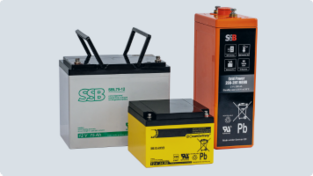

Emergency & safety lighting
As one of our core business areas, we offer high-performance battery solutions for emergency and safety lighting that ensure a reliable power supply in the event of a power failure. This enables us to guarantee the lighting of escape routes and the safety of critical areas in commercial and industrial buildings as well as public facilities. Our long-lasting lead and lithium systems are low-maintenance, cycle-resistant and meet the highest quality and safety standards – optimised for centralised and decentralised lighting concepts.
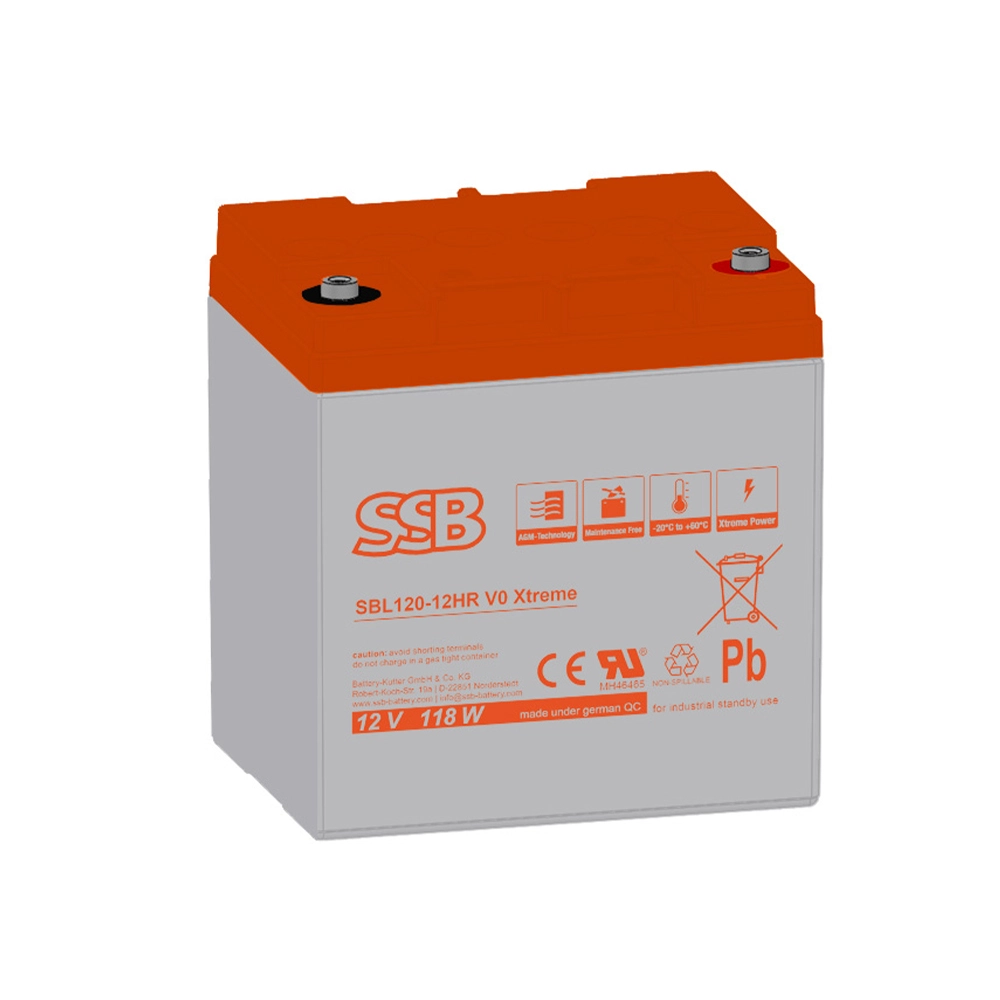
delivery time 2-5 working days
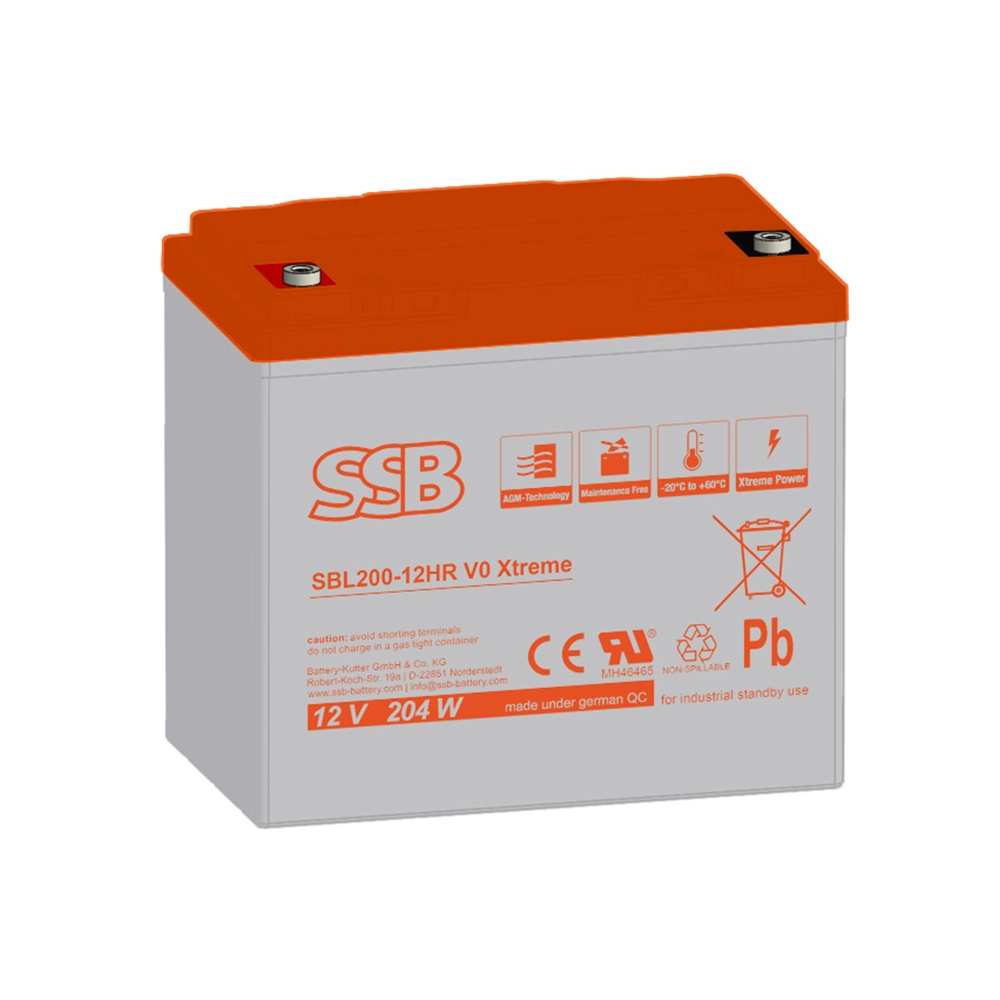
delivery time 2-5 working days
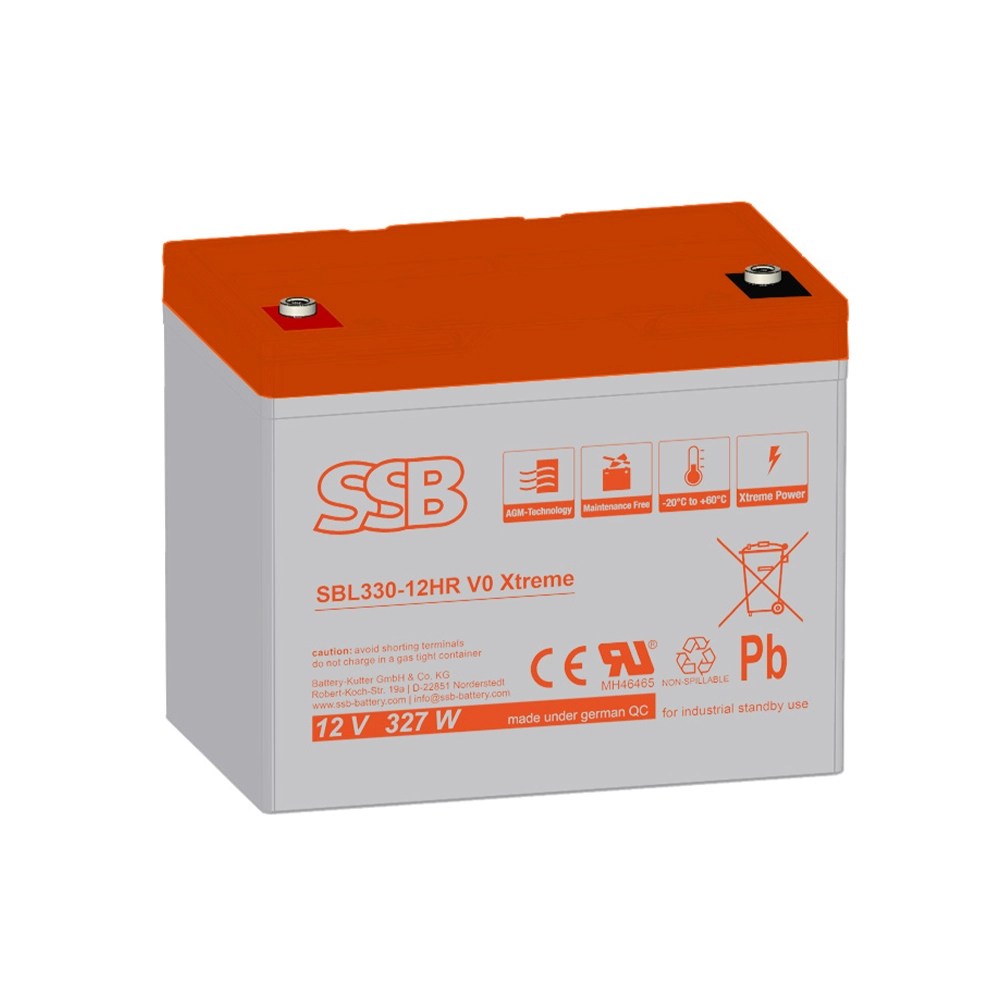
delivery time 2-5 working days
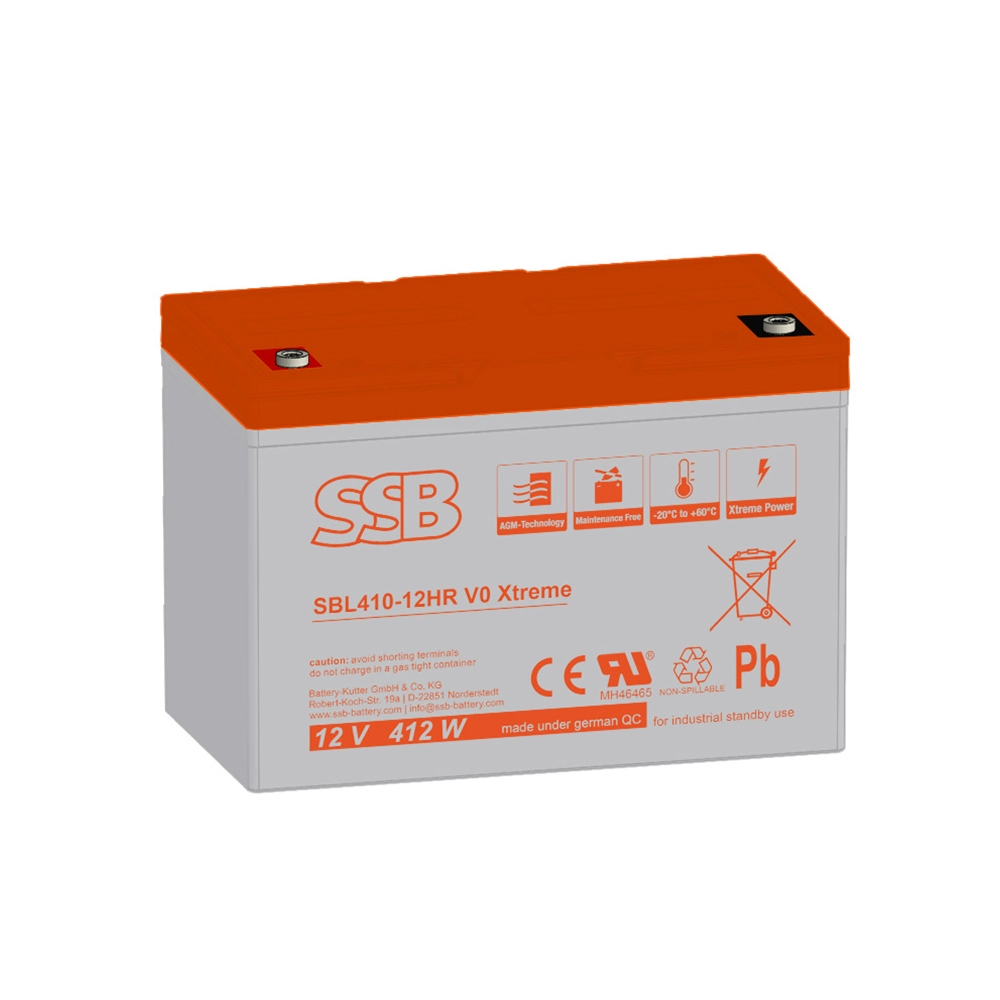
delivery time 2-5 working days
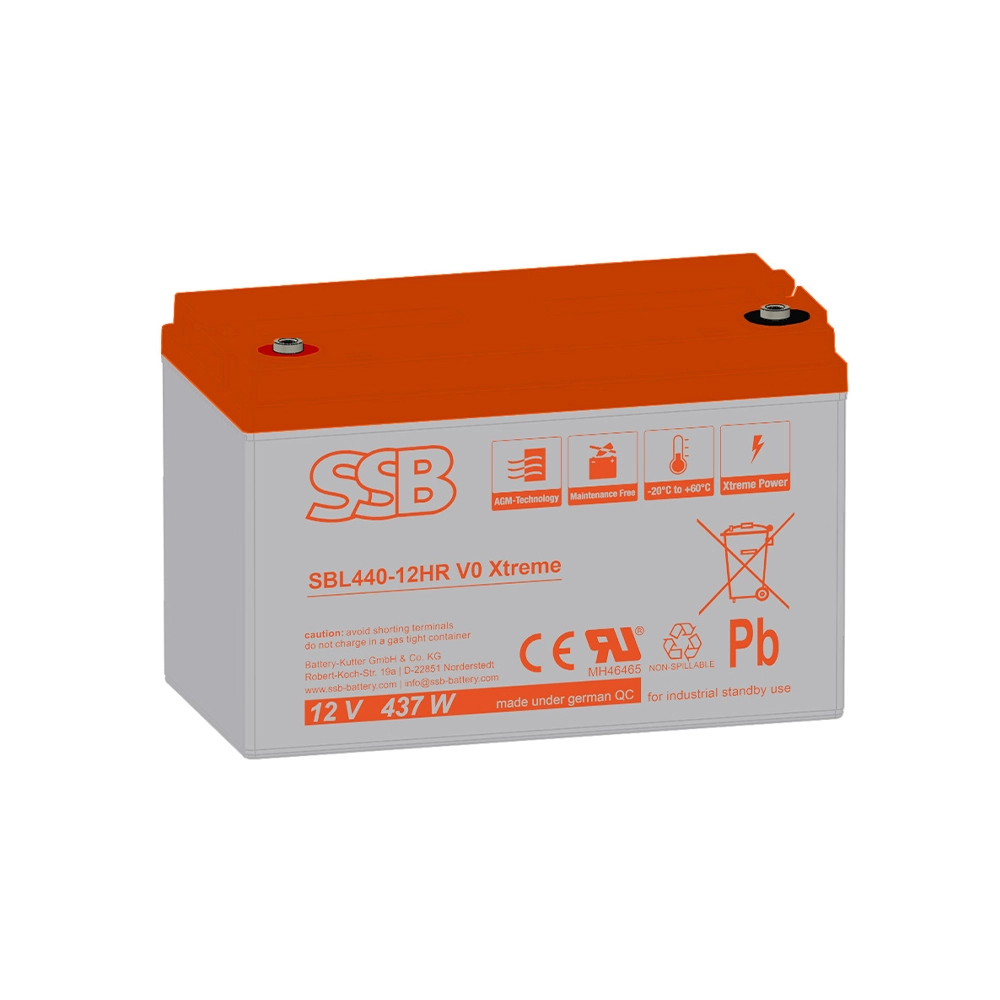
delivery time 2-5 working days
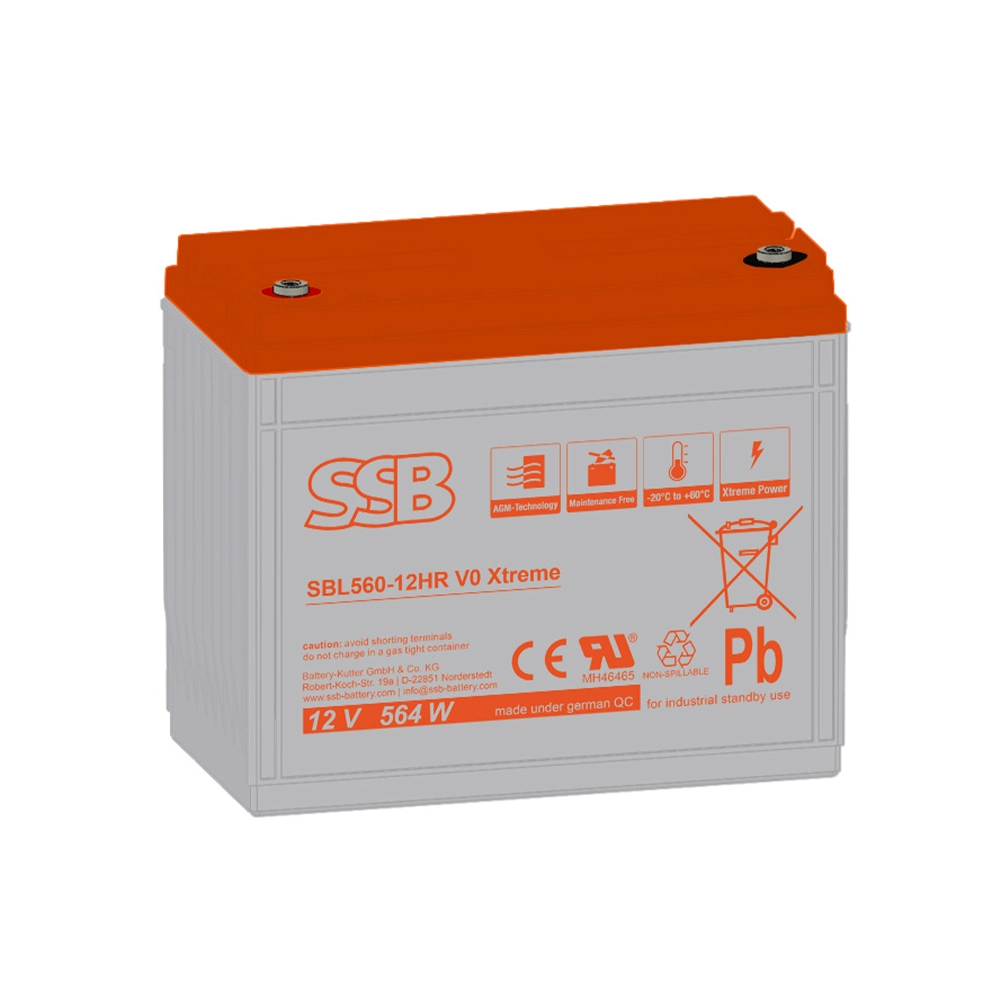
delivery time 2-5 working days
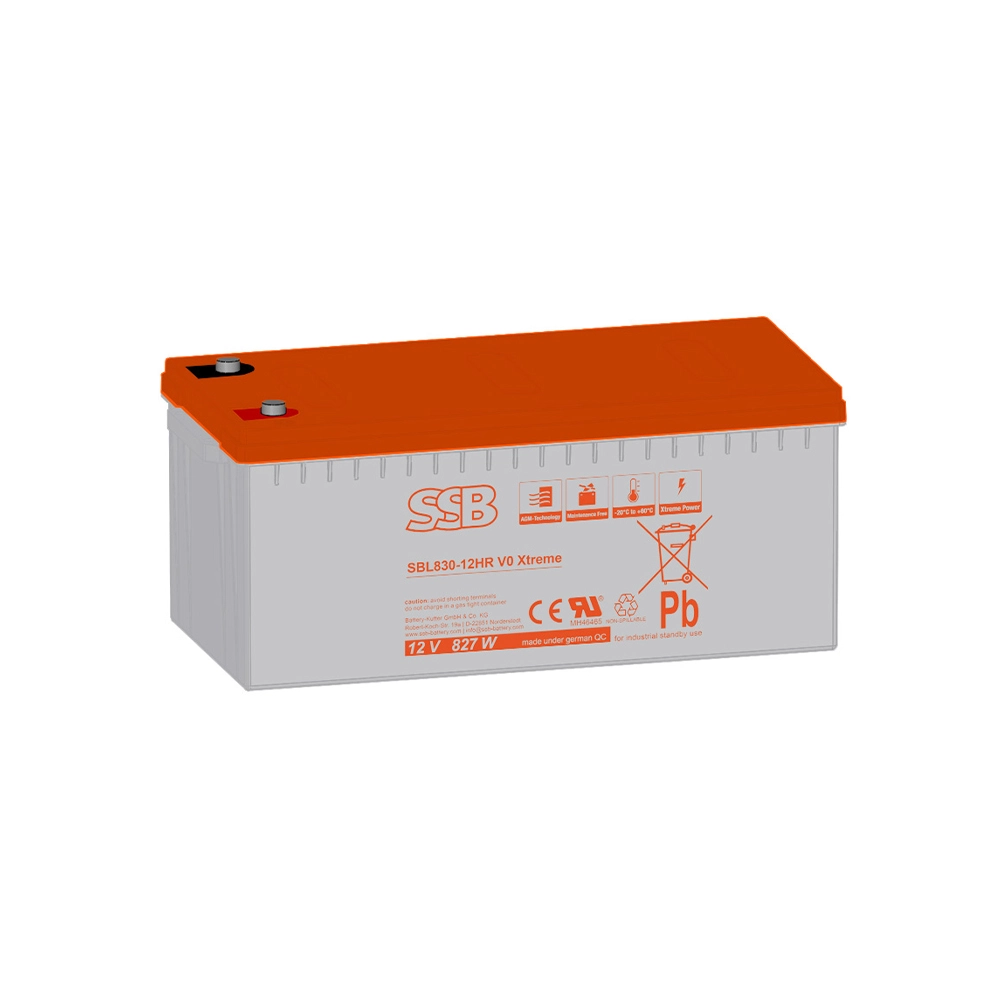
delivery time 2-5 working days
delivery time 2-5 working days
delivery time 2-5 working days
delivery time 2-5 working days
delivery time 2-5 working days
delivery time 2-5 working days
delivery time 2-5 working days

delivery time 2-5 working days
delivery time 2-5 working days
delivery time 2-5 working days
delivery time 2-5 working days
delivery time 2-5 working days
delivery time 2-5 working days
delivery time 2-5 working days
delivery time 2-5 working days
delivery time 2-5 working days
delivery time 2-5 working days
delivery time 2-5 working days
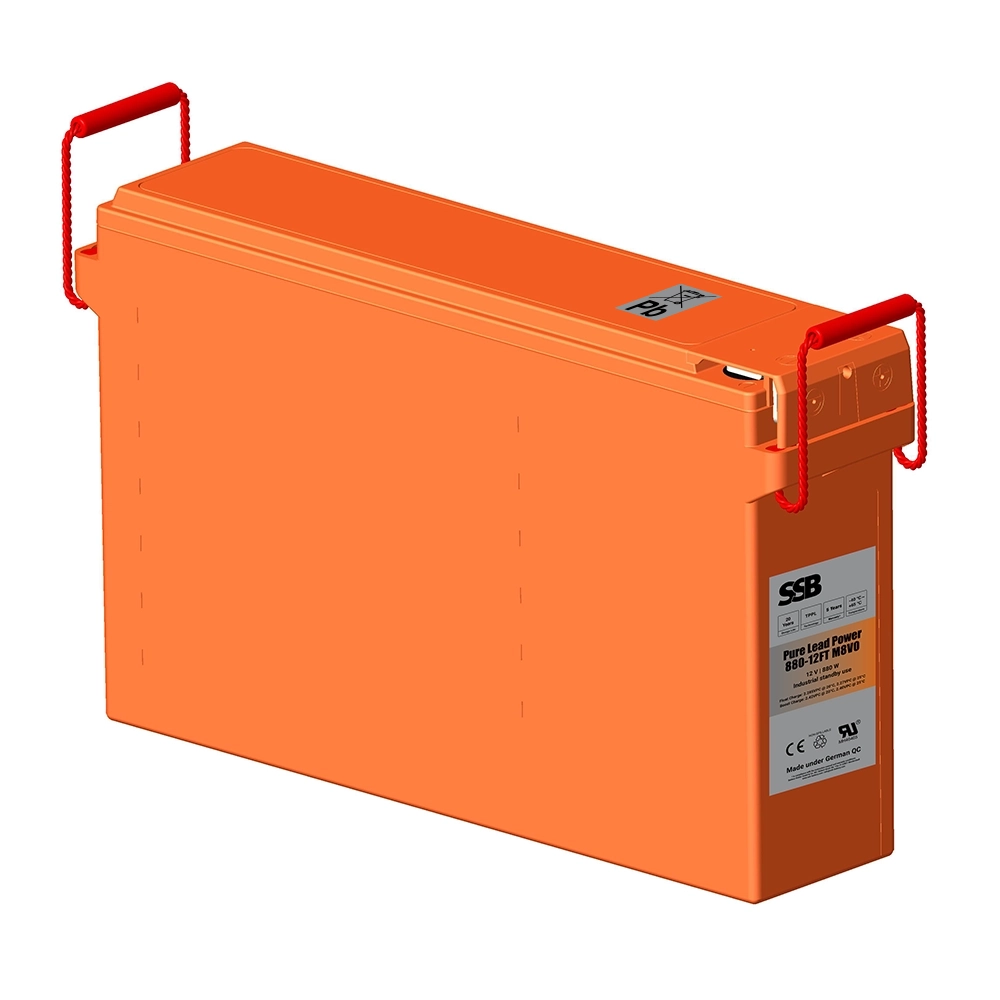
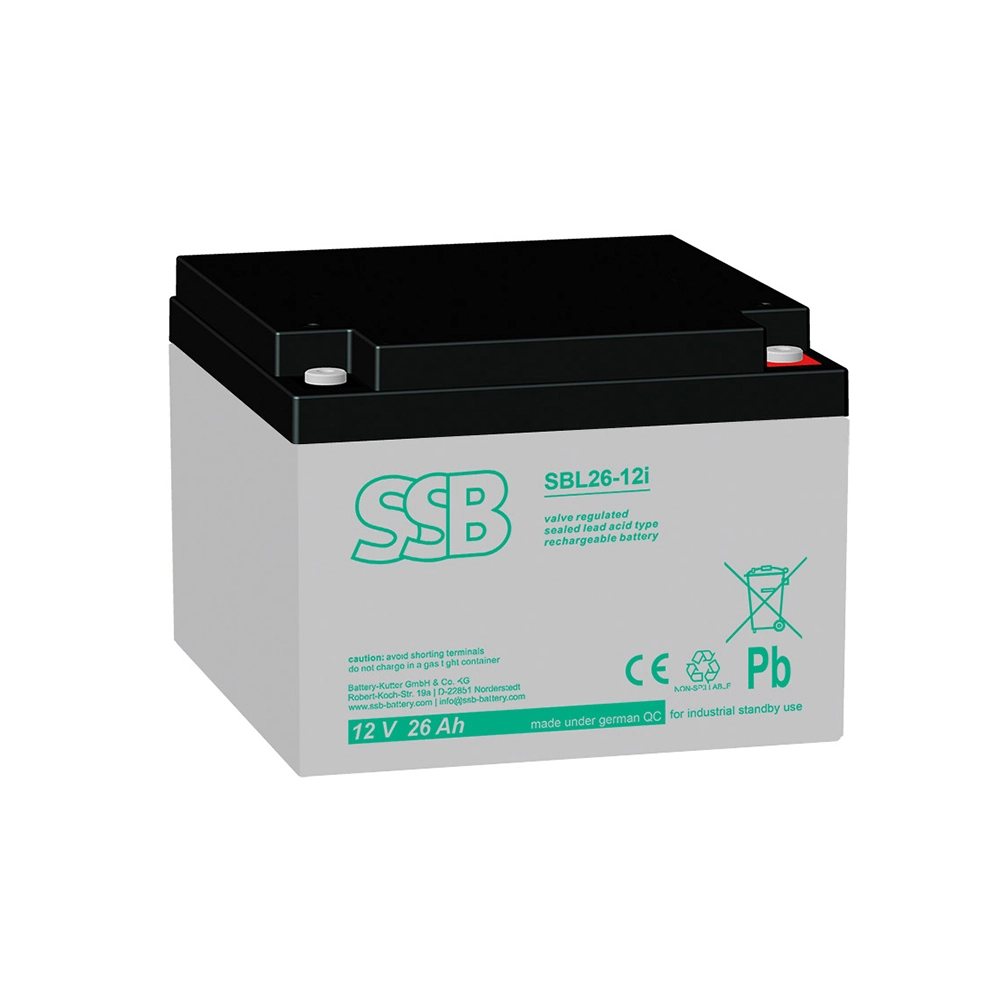
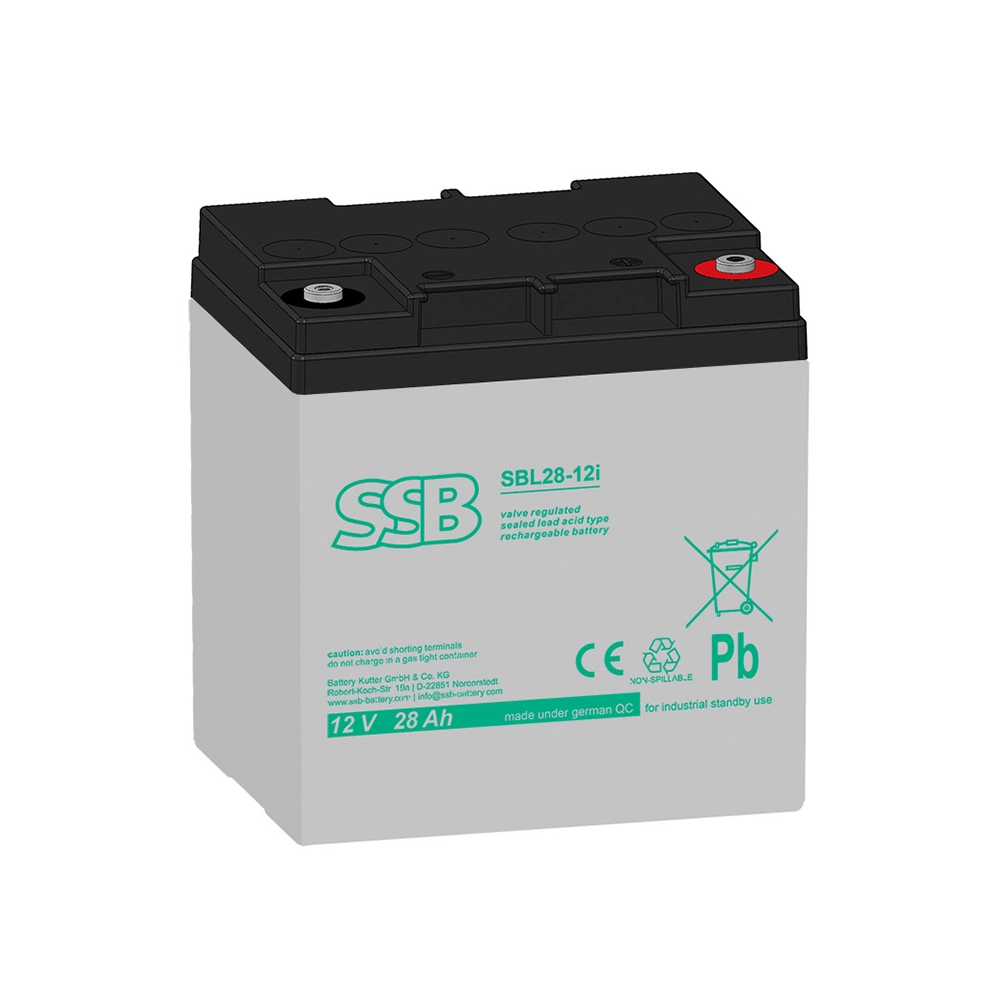
Here you will find batteries for emergency lighting. We offer the right batteries for your emergency lighting systems and safety lighting, as well as battery packs in all designs for your escape route lighting.
Emergency lighting battery
What is emergency lighting and how does it work?
Fluctuations in the electricity grid or complete power cuts are a constant occurrence; however, the causes are unpredictable and result in an increased risk to those affected.
Emergency lighting is an umbrella term and is divided into safety lighting and backup lighting. In the event of a power cut or a fault affecting the main electrical lighting system, the emergency lighting is activated or remains operational using the emergency lighting battery.
It is particularly important that battery-powered emergency lighting constitutes a second lighting system that is independent of the main power supply. A safety power source or fire-retardant cabling is essential here. The emergency power source, or backup power source, can consist of generator sets or battery systems. In the case of battery-powered emergency lighting, a distinction is made between continuous operation and standby operation. Whilst standby operation refers to the emergency lighting switching on in the event of a power cut, continuous operation ensures that the emergency lighting remains on at all times.
In the event of a power cut, lives may depend on battery-powered emergency lighting. It is not only those unfamiliar with the area who find it difficult to find their way in the dark; even those who know the area well may panic and lose their bearings, let alone know how to get outside without emergency lighting. To ensure the safety of many people in such a situation, lighting and electrical designers, installers, operators and contractors must guarantee the professional installation of emergency lighting in accordance with numerous standards, regulations and guidelines. Regular maintenance of emergency and safety lighting is essential and is the responsibility of the building operator, who is obliged to carry out repairs and maintenance on the safety lighting.
Electrical faults are not uncommon; emergency lighting protects against accidents and panic, which is why it is also known as anti-panic lighting. It enables people to leave the building safely in the event of a panic. Depending on the workplace or specific requirements, it may be advisable to draw up a procedure to follow in the event of an emergency. The familiar green-and-white emergency exit signs, featuring a stylised figure and an arrow pointing in the direction of escape, are recognised worldwide as a standard pictogram and form part of a building’s safety guidance system. Railway tunnels are an exception: here, emergency exits are marked in blue to prevent confusion with the green railway signals and the emergency lighting.
Why choose battery-powered emergency lighting?
Our eyes take in 80 per cent of all information. If there is a power cut and we find ourselves in complete darkness, panic can quickly set in. In buildings where many people work, this creates an unpredictable risk that can be dangerous for everyone involved. To ensure that everyone present can leave the building safely, we need battery-powered emergency lighting that provides safe illumination independently of the mains supply. The safety lights illuminate our path and make obstacles, such as steps, visible whilst we follow the safety signs out of the building; together, this is our emergency lighting system that guides us to safety.
What types of emergency lighting are there?
Emergency lighting is an umbrella term and is divided into safety lighting and standby lighting. Generally speaking, safety lighting must be installed where there is a risk of accidents in the event of a power cut. Standby lighting, on the other hand, is used when there is no risk of personal injury. Standby lighting ensures that ongoing activities which cannot be interrupted – such as a surgical operation in a hospital – can continue. In the event of a power cut, standby lighting provides sufficient light to complete a task; this may also be of economic importance.
Not only battery-powered emergency lighting, but also safety lighting is further categorised into safety lighting for escape routes, anti-panic lighting and safety lighting for workplaces with particular hazards. Safety lighting for escape routes is designed to enable people to leave a building safely; it illuminates escape routes and makes obstacles, such as stairs, visible. In this case, the battery-powered emergency lighting – or safety lighting – ensures that people can safely leave a building via the escape routes. To this end, both emergency sign lights and emergency luminaires are used. As the name suggests, anti-panic lighting is designed to prevent people, particularly large groups, from panicking (e.g. emergency lighting in a department store during a power cut). Anti-panic lighting ensures adequate visibility to prevent mass panic in the dark and to enable people to reach escape and rescue routes safely. The guaranteed brightness of anti-panic lighting is comparable to that of a full moon. In summary, anti-panic lighting has only two functions: firstly, to prevent people from panicking; and secondly, to ensure that they can reach the points from which escape routes clearly lead. Safety lighting for workplaces with particular hazards is designed to enable those affected to complete their work there if necessary, so that they can then leave the building safely. It must be installed in areas where there is an immediate risk of accident in the event of a power cut (running machinery, pits). Together, all these elements form the vital emergency lighting system.
Which battery is suitable for battery-powered emergency lighting?
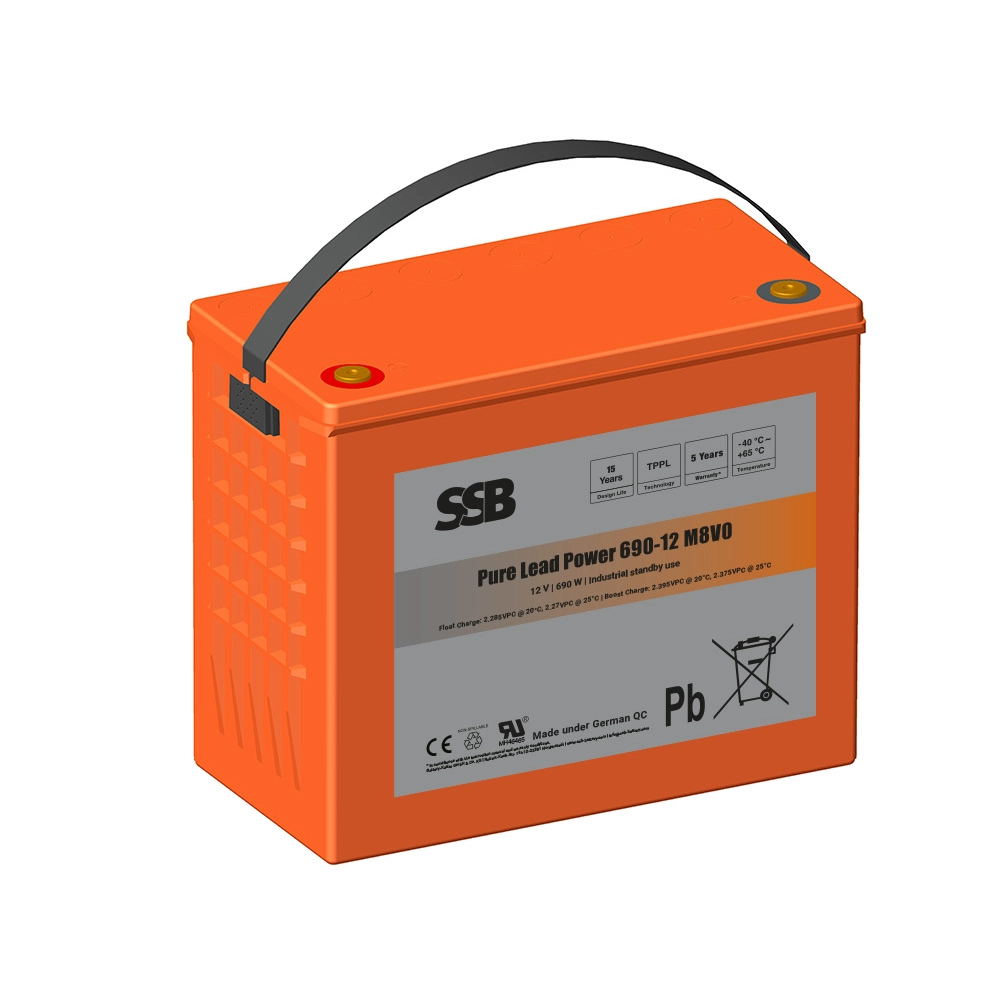
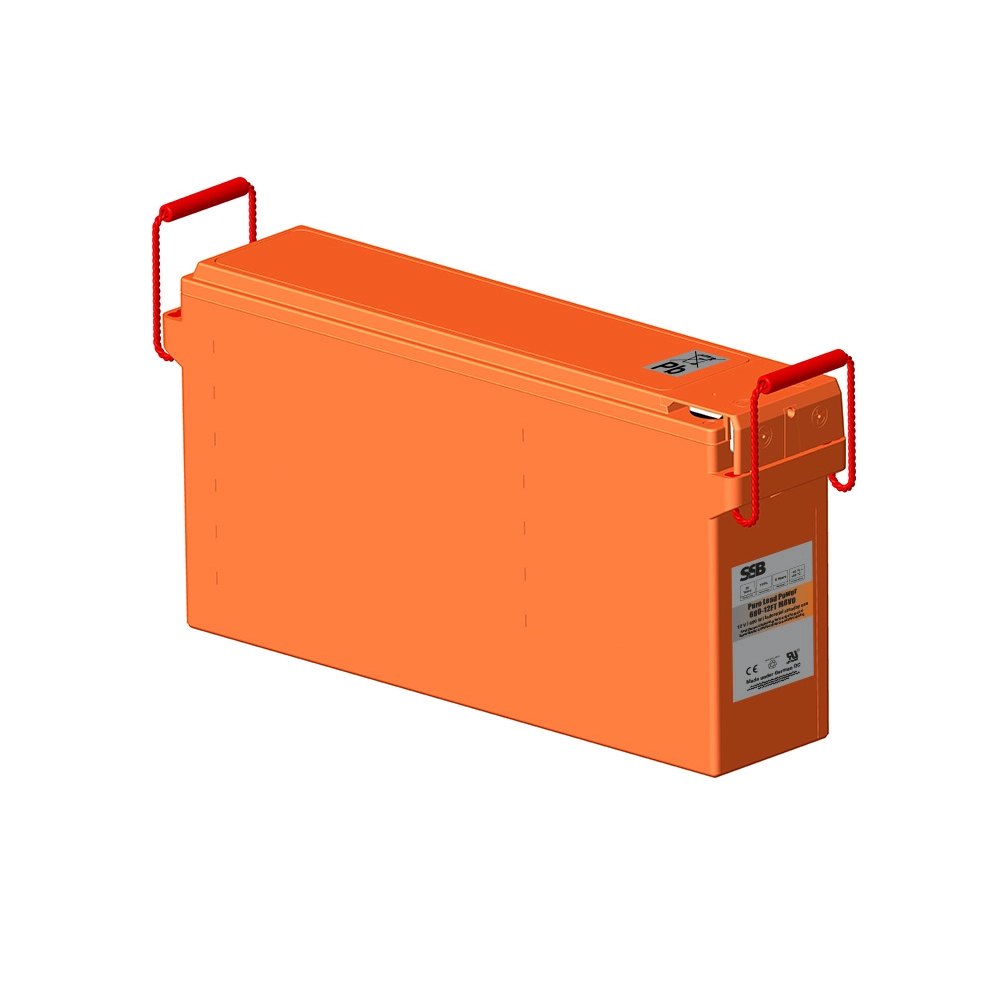
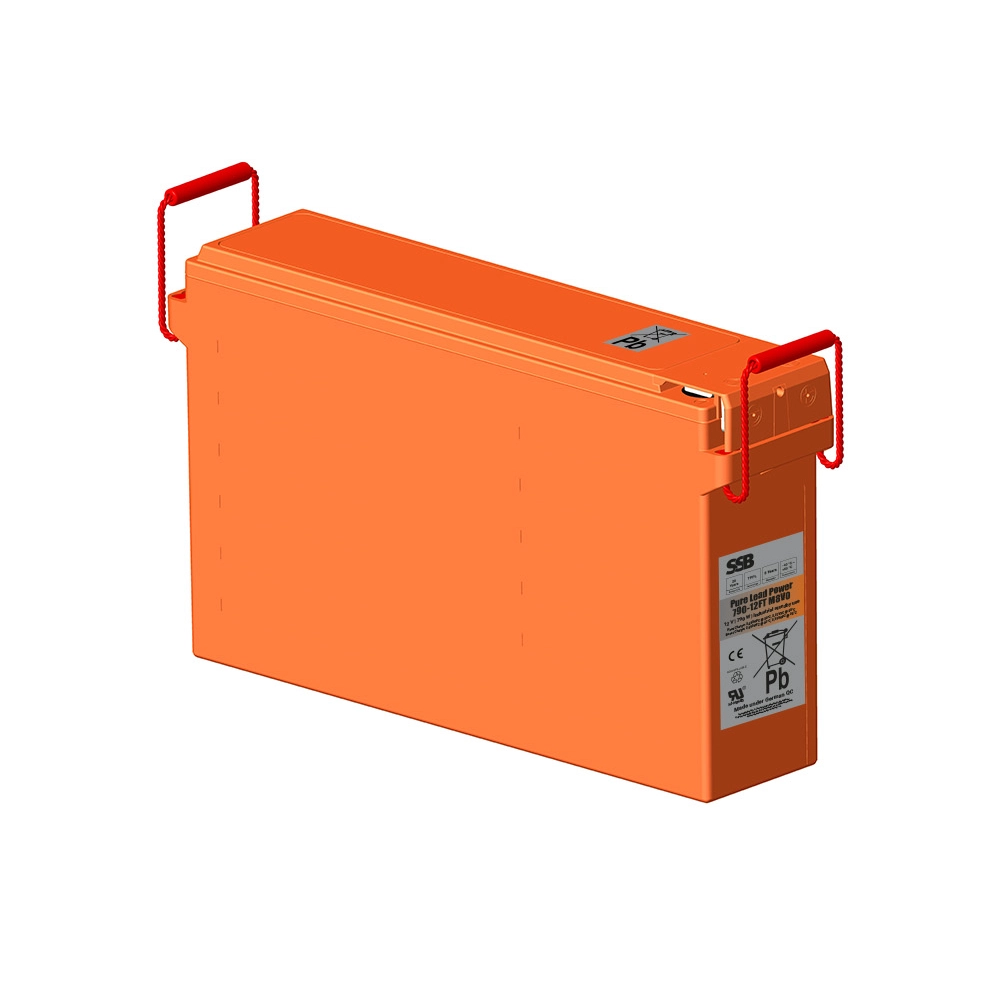
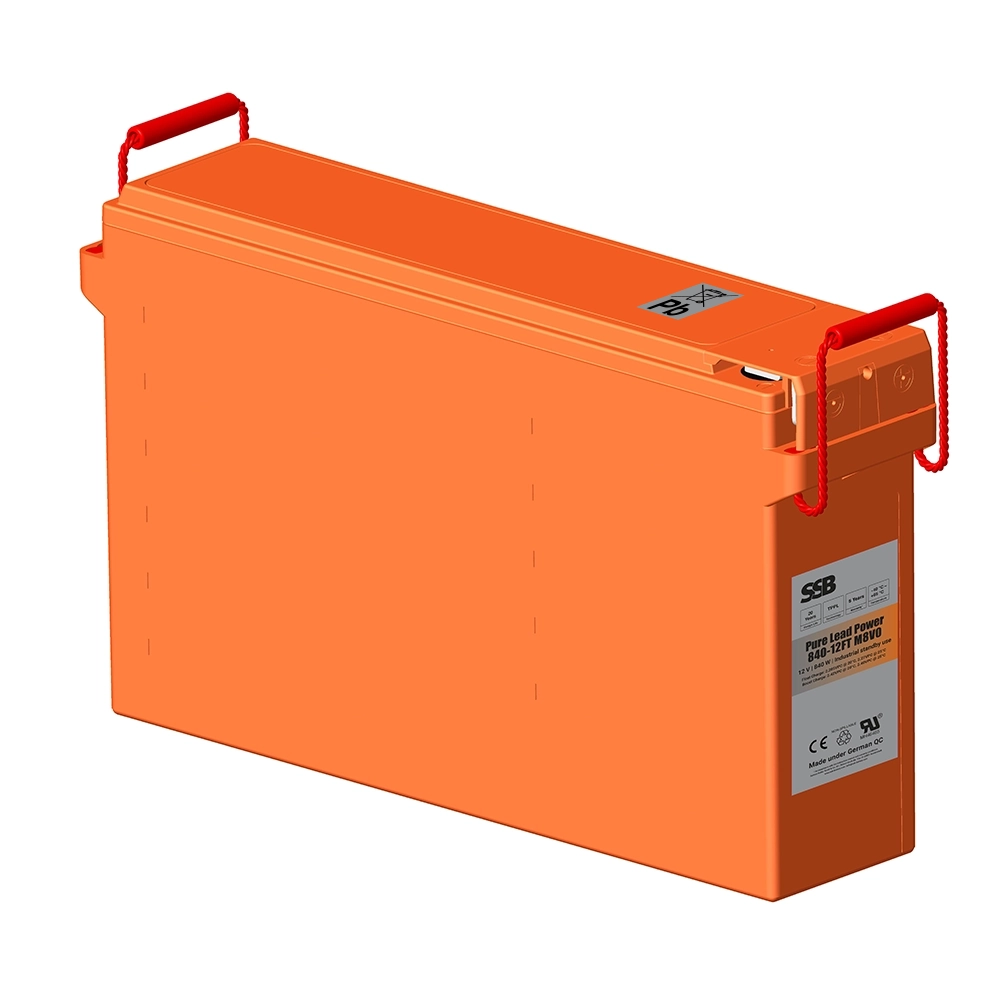
The choice of battery for battery-powered emergency lighting is a matter of individual preference. This depends, amongst other things, on the ambient temperatures at the installation site. Batteries are subject to a chemical process and have a limited service life. As a result, their capacity may decrease over the years, which can have a negative impact on the emergency lighting. Furthermore, battery performance is temperature-dependent; this can significantly affect performance if the temperature is not at the optimum level. For emergency lighting that offers high reliability, good performance and a long service life – even under challenging conditions where necessary – a lead-acid battery is recommended. SSB Battery batteries are particularly suitable for applications requiring long runtime in the field of emergency and safety lighting.
The characteristics of the installation room are also important when it comes to the type of installation. On the one hand, the dimensions of the batteries are a factor, but it also depends on whether it is possible to install the batteries for emergency lighting in battery cabinets or safety cabinets. Depending on the chemical composition of the battery, an electrolyte-resistant coating on the floor or special ventilation of the room may be required.
Who is authorised to design safety lighting, and how often must emergency lighting be inspected?
The planning and inspection of battery-powered emergency lighting is the responsibility of the person in charge, e.g. the management. When planning emergency lighting, one should follow the technical regulations for workplaces relating to safety lighting and optical safety guidance systems. The first step is to carry out a risk assessment to ensure that everyone can leave the building unharmed in the event of an emergency.
Emergency lighting must be inspected professionally at regular intervals. The inspection intervals are also set out in the risk assessment, taking into account the manufacturer’s specifications. The inspection must be carried out by a person qualified to inspect emergency lighting. Any damage that could impair its function must be rectified immediately.
When is emergency lighting mandatory, and where is it required?
People’s safety is the top priority when it comes to battery-powered emergency lighting; buildings must be equipped to deal with emergencies in order to protect people. Emergency exits, first-aid points and fire-extinguishing equipment must be clearly signposted, and escape and rescue routes, as well as hidden hazards, must be illuminated. Amongst all the standards, regulations and laws that must be observed in relation to emergency lighting, one principle is paramount: emergency lights and signs must be visible in the event of a power cut or heavy smoke.
This is the principle that ensures people all over the world, regardless of their background, language or age, can safely make their way out of a building at risk with the aid of emergency lighting.
The regulations governing battery-powered emergency lighting in buildings depend, amongst other things, on the size of the building, known and hidden hazards, and other criteria. Below, we therefore outline a few criteria for workplaces where safety lighting is required:
- Places frequented by people (restaurants, railway stations)
- Workplaces which accommodate a large number of people, have multiple storeys, winding escape routes or present hazards and a risk of accidents (high-rise buildings)
- Workplaces where it is necessary to walk through large spaces (entrance halls, open-plan offices)
- Workplaces without natural light (sales areas, workshops)
To help you understand this better, we have listed a few more workplaces where emergency lighting and safety lighting are essential:
- Pubs, restaurants and bars, hotels and guesthouses
- High-rise buildings and office blocks, multi-storey car parks, garages
- Hospitals, police stations and psychiatric hospitals
- Airports, railway stations
- Nurseries, schools, childcare centres
- Supermarkets and department shops
The following escape routes and rooms should always be equipped with comprehensive emergency lighting:
- Corridors, stairwells and steps required for escape and rescue routes
- Spaces between essential stairwells and stairwell extensions
- Exits and ways out to the open air (emergency exits and emergency ways out)
- Rooms without natural light
- Lifts and lift lobbies
What needs to be taken into account with regard to emergency lighting?
When planning and installing battery-powered emergency lighting, a number of standards, regulations and laws must be observed. These include, amongst others, the Occupational Health and Safety Act and building regulations. If a risk assessment of the workplace indicates that hazards are likely to arise in the event of a lighting failure, emergency lighting must be installed.
The switch-on time for emergency lighting applies in the case of a standby circuit, whilst the switchover time applies in the case of a continuous circuit. The maximum duration here is 0.5 seconds.
Below, we have summarised the key requirements and technical regulations for emergency lighting at a glance:
- Uniform light intensity: The light should be evenly distributed throughout the area. The ratio of the highest to the lowest illuminance must not exceed 40:1. In escape and evacuation routes, a horizontal illuminance of at least 1 lux must be ensured on the central axis. Unless the area is classified as particularly hazardous, the minimum requirement is 15 lux.
- Full brightness: Emergency lighting must come on at full brightness within 15 seconds of a power cut. The minimum required illuminance must be reached after just 0.5 seconds.
- Colour rendering index: The colour rendering index of emergency lighting must be at least Ra 40 in order to ensure that safety colours are clearly visible.
- Installation height: Emergency signs and lights must be fitted at a height of at least two metres to ensure adequate illumination.
- Lighting: Emergency signs must be illuminated or backlit along all escape and evacuation routes. If an emergency exit is not directly visible, several illuminated or backlit emergency signs must be installed along the route. Glare must be avoided at all costs.
- Battery life: Emergency lighting or emergency exit signs must remain illuminated for at least three hours independently of the mains power supply.
We would be happy to advise you personally on this matter. You can find our contact details on our contact page.


 +49 40 611 631-79
 info@battery-kutter.de