


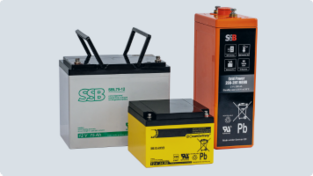

Battery packs

delivery time 2-5 working days
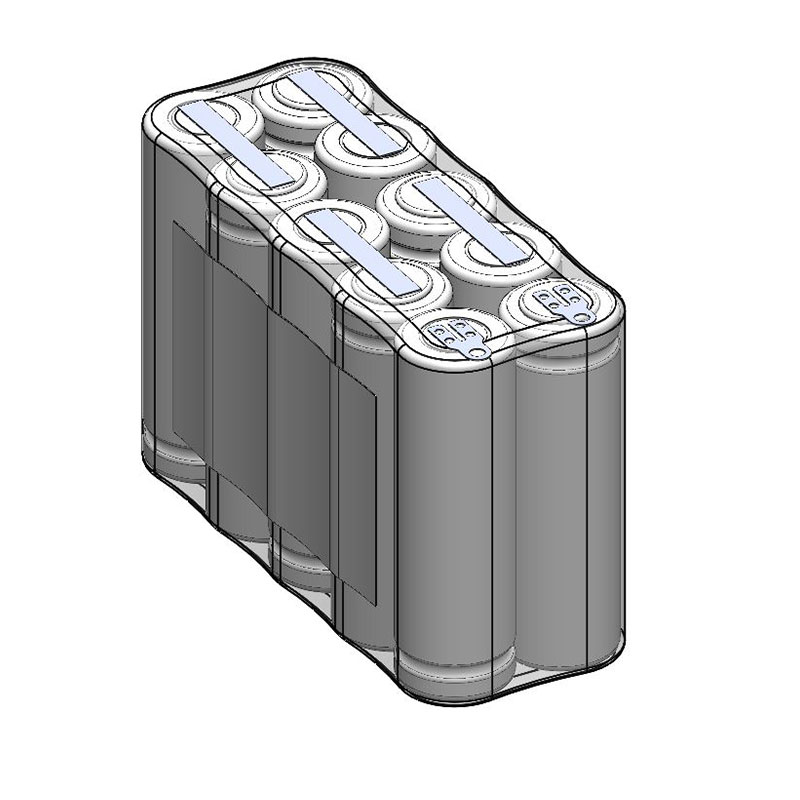
delivery time on request
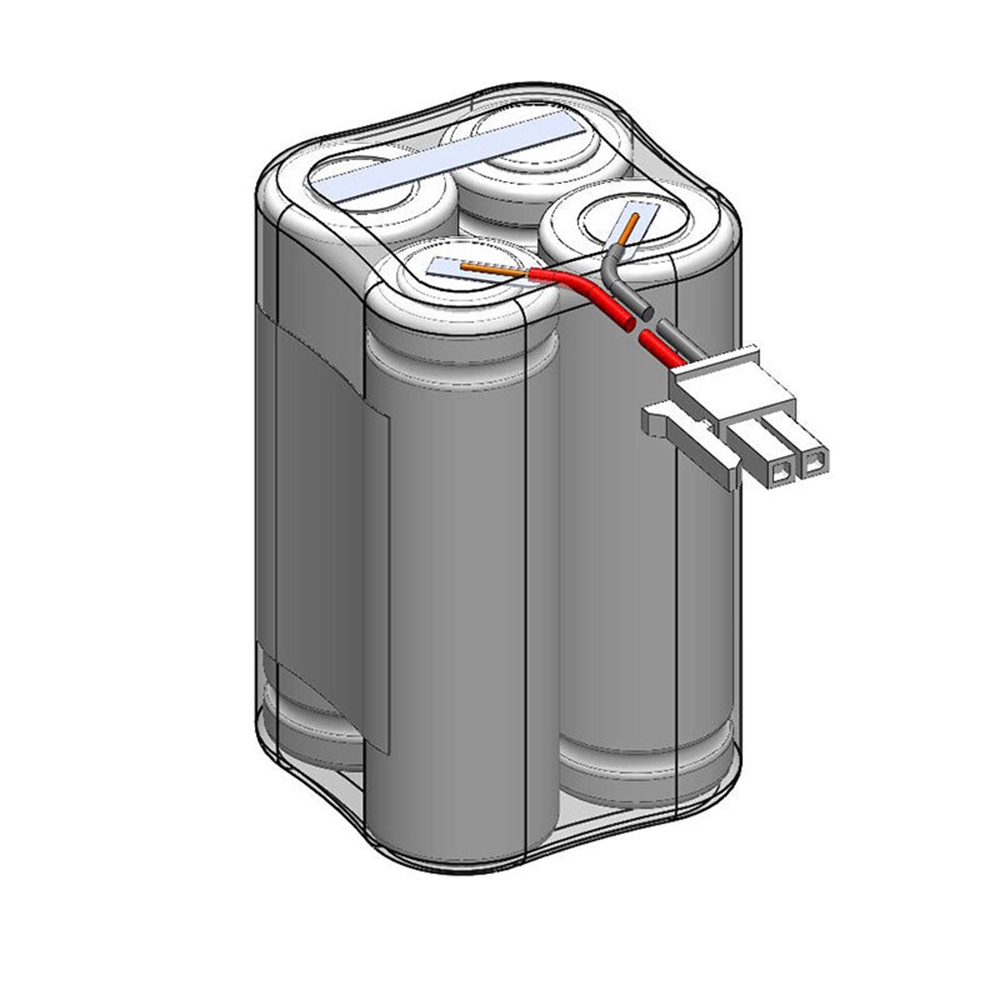
delivery time 2-5 working days

delivery time 2-5 working days

delivery time 2-5 working days

delivery time on request

delivery time 2-5 working days
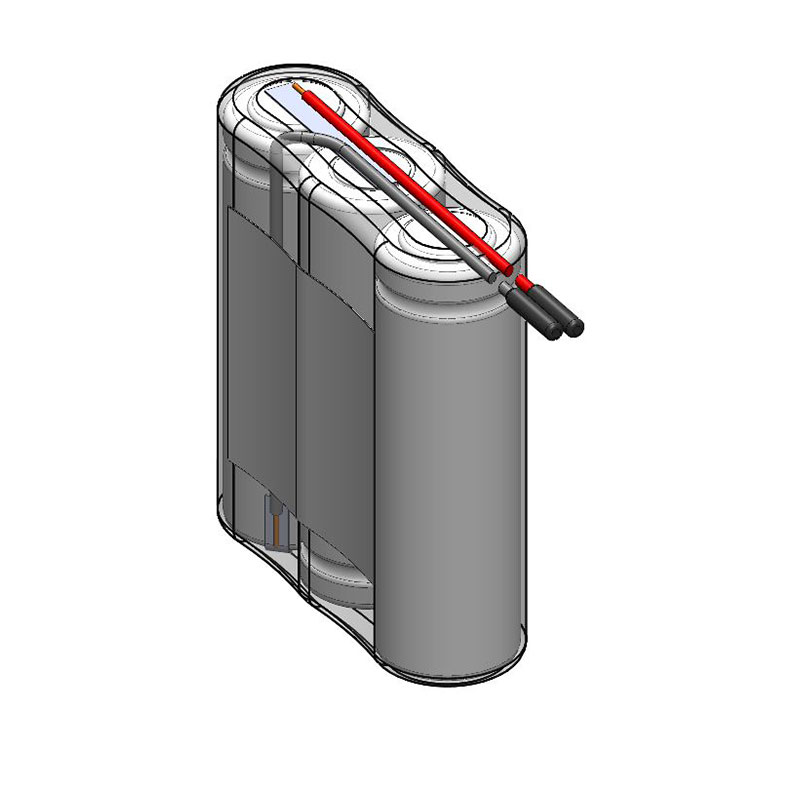
delivery time 2-5 working days
delivery time 2-5 working days

delivery time 2-5 working days

delivery time 2-5 working days

delivery time 2-5 working days

delivery time 2-5 working days

delivery time 2-5 working days
delivery time 2-5 working days
delivery time 2-5 working days

delivery time 2-5 working days
delivery time 2-5 working days

delivery time on request

delivery time 2-5 working days

delivery time 2-5 working days
delivery time 2-5 working days
delivery time 2-5 working days

delivery time 2-5 working days
Battery packs
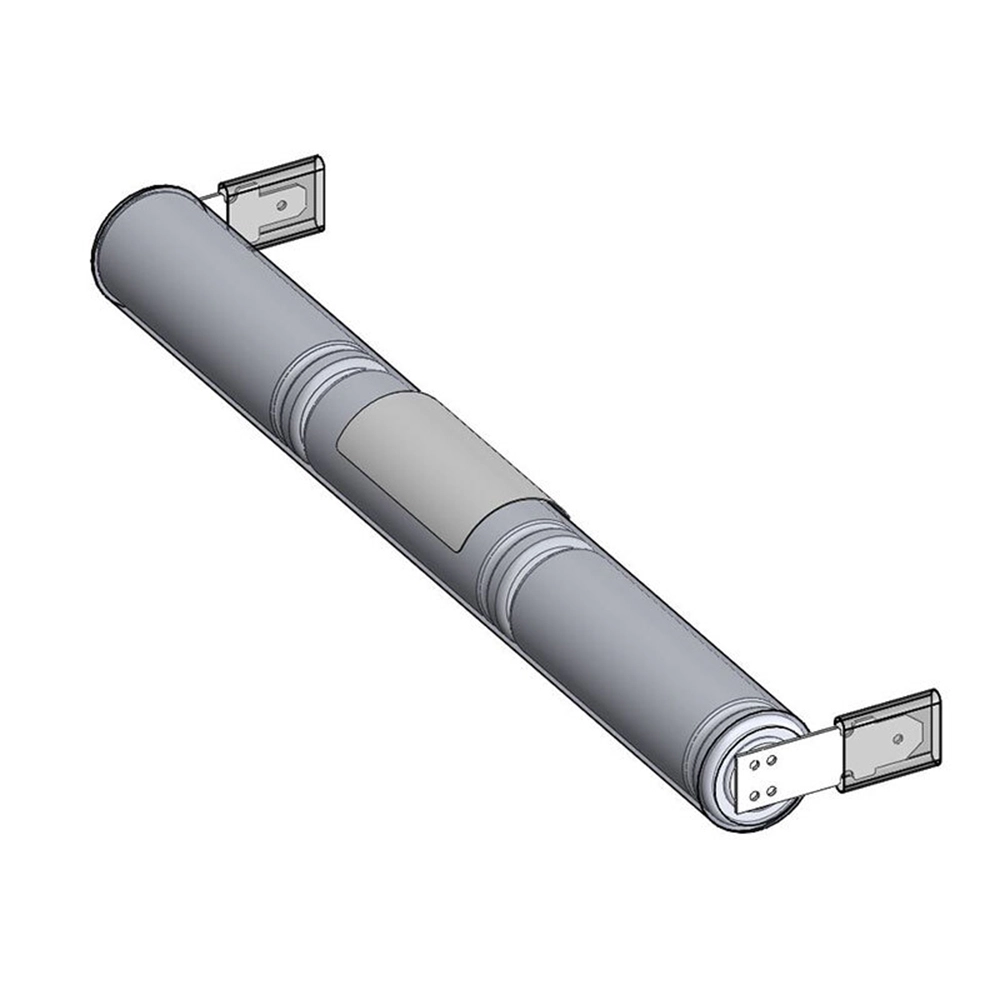
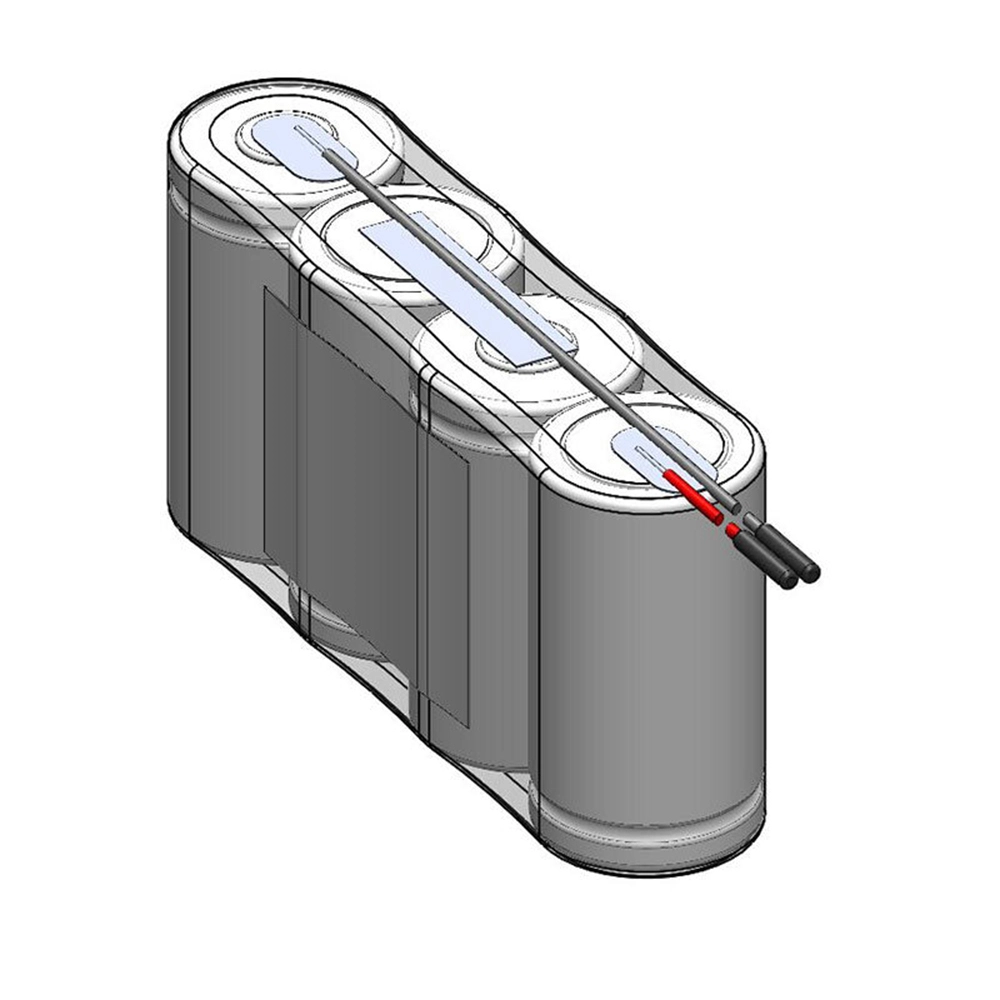
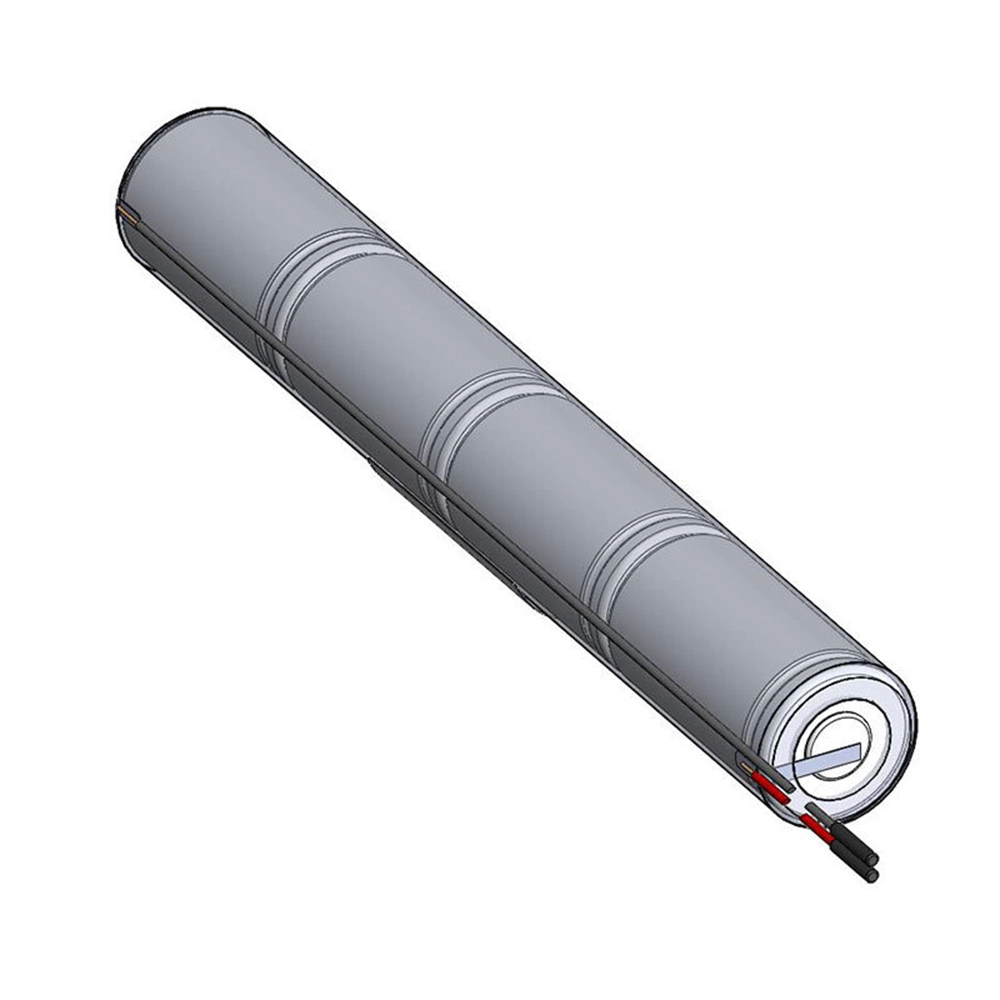
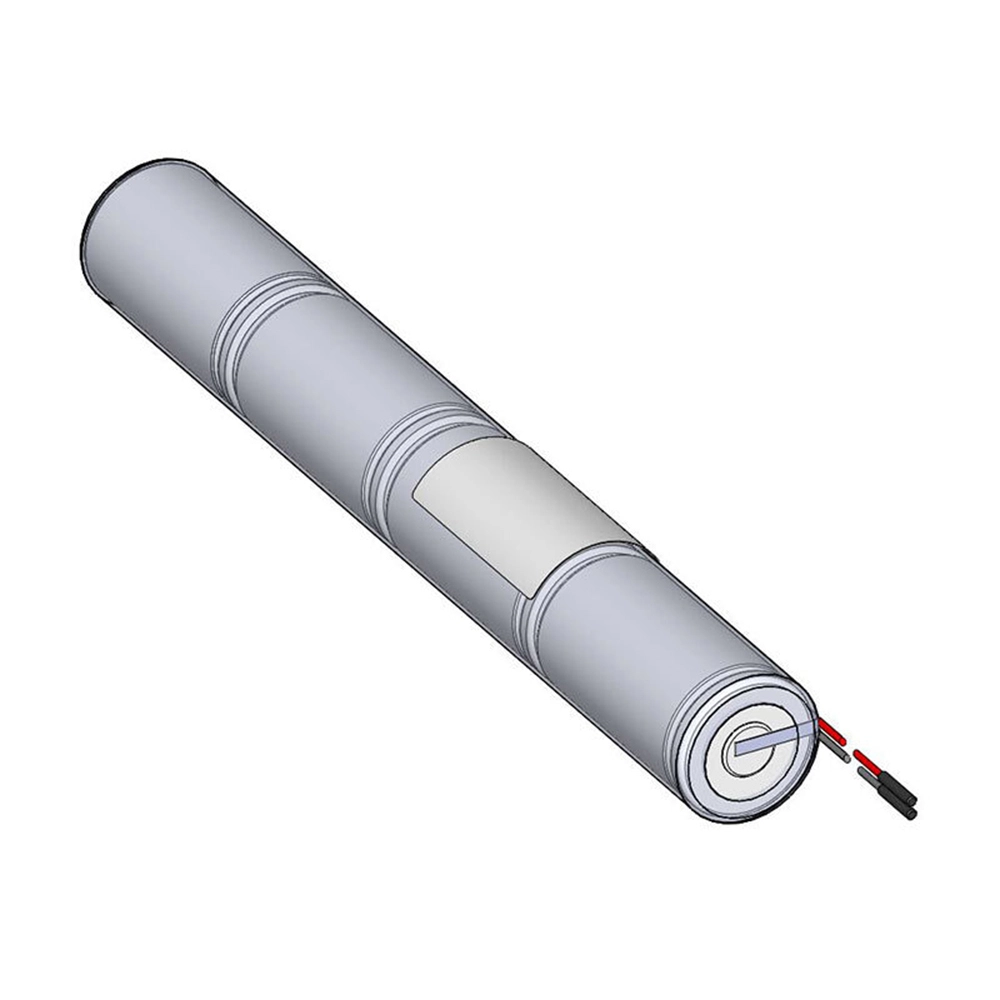
Here at Battery-Kutter, we offer ready-made battery packs for emergency and safety lighting. We would be happy to work with you to develop a bespoke battery pack tailored to your specific requirements.
What is a battery pack?
A battery pack is a configuration of individual battery cells, designed to adapt the voltage or capacity of the system to the specific application. To achieve this, the individual cells are connected in series to adjust the voltage. The capacity of battery packs can be adjusted by connecting the cells in parallel. The battery pack is protected by a casing, heat-shrink tubing or a sheath. Communication between the load and the battery pack is usually facilitated by a connector, a cable, a terminal port, screw terminals, induction (where applicable) and much more.
A battery pack may consist of cells based on different technologies, provided that the cells are all of the same type from the same manufacturer. The cells must be identical in terms of cell size, cell technology, performance specifications – that is, voltage and capacity – and load capacity. They should also come from the same production batch.
What is the structure of a battery pack?
Battery packs can be designed in a wide variety of ways, ranging from complex structures to simple configurations. All battery packs consist of several cells, connectors, cell holders and a connection, such as a cable or plug. Depending on the battery pack, the construction is protected by a casing or heat-shrink tubing. Unlike NiMH (nickel-metal hydride) and NiCd (nickel-cadmium) battery packs, lithium battery packs have a protection circuit and also feature sensors and communication capabilities, and in some cases a battery management system.
What are the advantages of a battery pack?
Below, we outline the advantages of a battery pack:
- Safer than using individual cells (enclosures)
- Voltage and capacitance can be customised
- Housings and form factors can be customised: this allows mounts to be integrated into the design.
- Interchangeable system
- Easier to use
- Can be implemented as a customised system solution: performance and energy consumption are optimised (mounting bracket, charger, device control).
What is the difference between a rechargeable battery and a battery pack?
A battery pack is a configuration of individual battery cells, designed to adapt the voltage or capacity of the system to the specific application. A battery pack therefore consists of several interconnected secondary cells.
A storage battery, also known as a rechargeable battery or secondary cell, is a rechargeable galvanic system consisting of two electrodes – the cathode and the anode – and an electrolyte, which stores electrical energy electrochemically.
Unlike a rechargeable battery pack, a battery consisting of one or more primary cells connected together is not rechargeable.
What types of battery packs are there?
Generally speaking, there are four different types of battery: nickel-cadmium (NiCd), nickel-metal hydride (NiMH), lithium-ion (Li-ion) and lithium-polymer (LiPo, LiPol). Of course, there are also lead-gel and lead-acid batteries; you can find out more about these here.
Nickel-cadmium rechargeable batteries: NiCd rechargeable batteries are particularly well suited to drills and circular saws; they are relatively resistant to cold and have a long service life of over 1,500 charge cycles. NiCd batteries have a lower capacity than other types of battery, suffer from the memory effect – meaning they must always be fully discharged before recharging – and are highly harmful to the environment due to their cadmium content.
Nickel-metal hydride battery: A NiMH battery has approximately 50 per cent more capacity than a NiCd battery of the same size. NiMH batteries should also be fully discharged before recharging, as otherwise the battery inertia effect occurs, which reduces the capacity. With 500 to 1,000 charge cycles, NiMH batteries have a slightly shorter lifespan.
Lithium-ion battery: Li-ion batteries are smaller and lighter than NiMH batteries whilst offering the same capacity, and are on a par with them in terms of cycle life, at 500 to 1,000 charge cycles. Li-ion batteries have no memory effect or inertia effect, and their self-discharge rate is also very low.
Lithium-polymer batteries: LiPo batteries can come in any shape and are therefore ideal for devices with limited space. Self-discharge is also very low, and there is no memory effect or battery inertia. With 300 to 600 charge cycles, their lifespan is considerably shorter than that of other batteries.
Lithium iron phosphate: LiFePo₄ batteries are another type of lithium-ion battery pack with a cell voltage ranging from 3.2 to 3.3 V. Instead of lithium-cobalt, the positive electrode consists of lithium iron phosphate, whilst the negative electrode contains lithium embedded in graphite. The expected lifespan can be as high as 4,000–5,000 charge cycles.
What does ‘Ah’ mean on battery packs?
The abbreviation ‘Ah’ stands for ampere-hour. An ampere-hour is a unit of measurement for the electrical charge of a battery. One ampere-hour corresponds to the charge that flows through the terminals in one hour at a constant current. The unit Ah is frequently used to specify the capacity of batteries.
However, this should be clearly distinguished from the actual power output. This is expressed in watts. Multiplying the voltage (volts) by the rated capacity (Ah) of a battery gives the actual energy storage capacity in watt-hours (Wh).
What does ‘Wh’ mean on a battery pack?
Watt-hours (Wh) indicate the amount of electricity that can be stored in a battery. Watt-hours are calculated by multiplying the capacity (Ah) by the voltage in volts (V).
A distinction is made here between usable energy content and rated power. Rated power is defined by the rated voltage and the rated capacity. This value serves as the baseline for assessing a battery pack and is derived from the manufacturer’s specifications. The usable energy of the battery pack, however, may differ significantly from this value due to environmental factors such as temperature and ageing.
How long does a battery pack last?
How long a battery pack lasts, or what its service life is, depends on the number of charge and discharge cycles, as well as its age in calendar years. When experts talk about service life, they usually mean a residual capacity of 80 per cent, based on the number of cycles specified by the manufacturer. However, there are also other figures, e.g. 60–70 per cent. A charge cycle describes the time it takes for the battery to be fully charged. The discharge cycle therefore corresponds to the time it takes for the battery to discharge. A battery’s service life is measured both in months or years and in charge and discharge cycles, as these factors take into account both frequency of use and ageing.
What factors can affect the service life of rechargeable batteries?
The service life of a battery can be influenced by many factors. The main cause of performance loss and accelerated ageing in a battery system is the accelerated ageing of its chemical components. Key factors in this regard are:
- Significant temperature fluctuations (too warm, too cold)
- Overcharging or deep discharge
- Frequency of use
- Short circuit
- Storage errors (storing the battery in a discharged state; where applicable, depending on the technology, storing it in a fully charged state)
All these factors can have a negative impact on the battery’s lifespan. Nevertheless, the battery’s lifespan can be significantly extended through correct use.
How can you extend the battery life?
It is normal for a battery to lose capacity over time, but there are ways to significantly extend its lifespan. It is important not to leave the battery permanently plugged in whilst fully charged. Experts recommend recharging an iPhone battery when it is between 40 and 85 per cent. You should try to avoid large temperature fluctuations (too hot, too cold); a temperature between 15 and 25 °C is generally recommended. The battery should be charged at temperatures between 5 and 40 °C.
What is the best way to store a battery?
Below, we have put together a checklist for you on the best way to store rechargeable batteries and thus protect them from deterioration
- Remove the battery from the device and clean off any dirt and grime
- Store your battery in a cardboard box to protect it from damp, cold and direct sunlight
- Dry cellars or garages are particularly suitable for storing batteries, as the recommended storage temperature for batteries is between -10 and +35 °C
- Store your battery in a safe place, out of the reach of children
- Store your charger separately from the battery
We’d be happy to advise you in person on battery packs. Click here to visit our contact page.


 +49 40 611 631-79
 info@battery-kutter.de